
Stocking a 3.5 Ton Rough Terrain Forklift? Questions Dealers Should Ask First
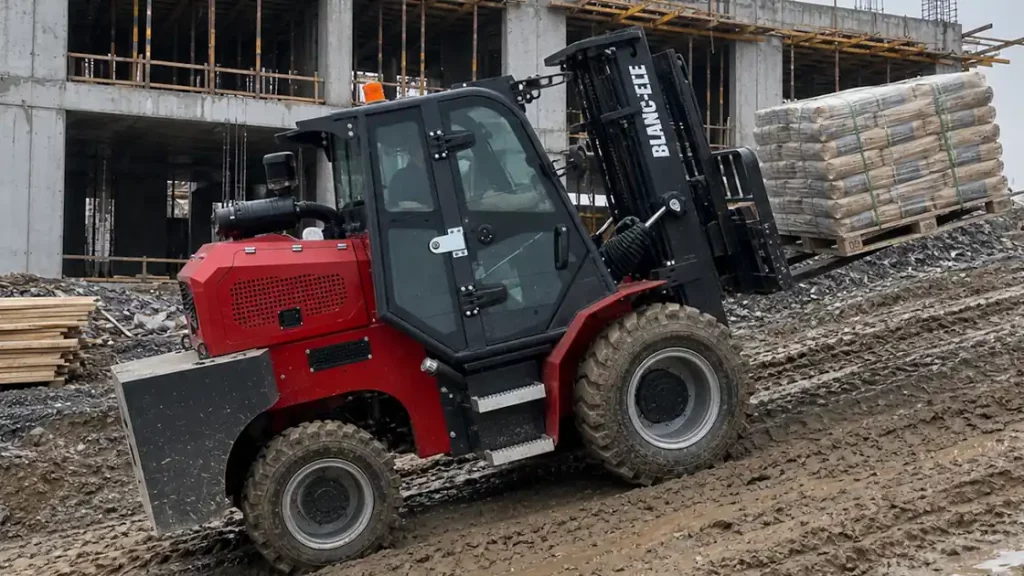
Dealers stocking a 3.5 ton rough terrain forklift should confirm customer industry, load, ground, attachments, route, and support needs before promoting one model.
Choosing Between 5 Ton and 7 Ton Rough Terrain Forklifts for Heavy Outdoor Work
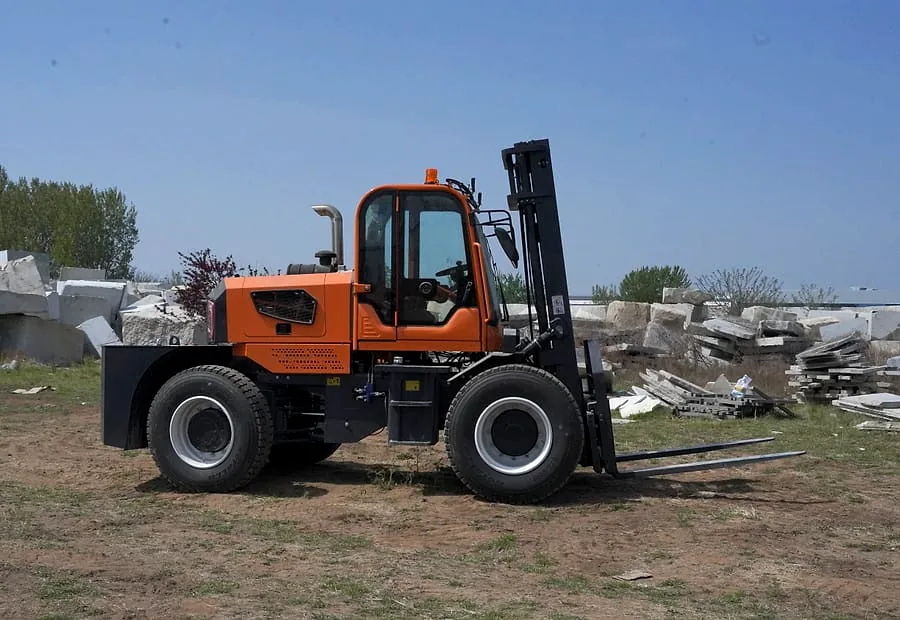
Choosing between a 5 ton and 7 ton rough terrain forklift depends on load center, ground, route, attachments, working hours, and future jobs, not rated capacity alone.
Before You Ask for a Rough Terrain Forklift Quote: Information Suppliers Need
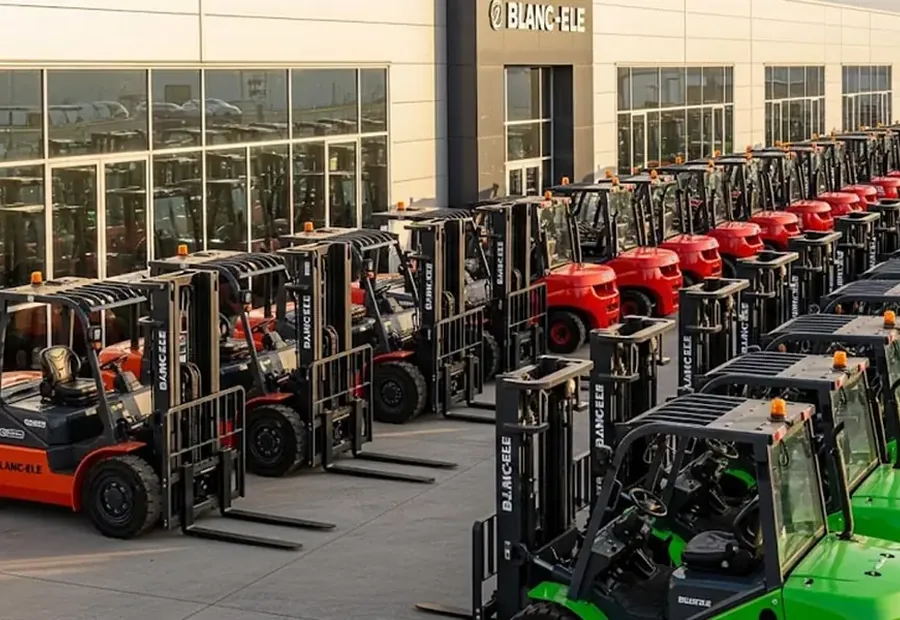
A rough terrain forklift quote becomes more accurate when buyers send load, ground, lift height, attachment, destination, and support details before selecting the machine.
Rainy-Season Construction Sites: What Forklift Buyers Should Check Before Order
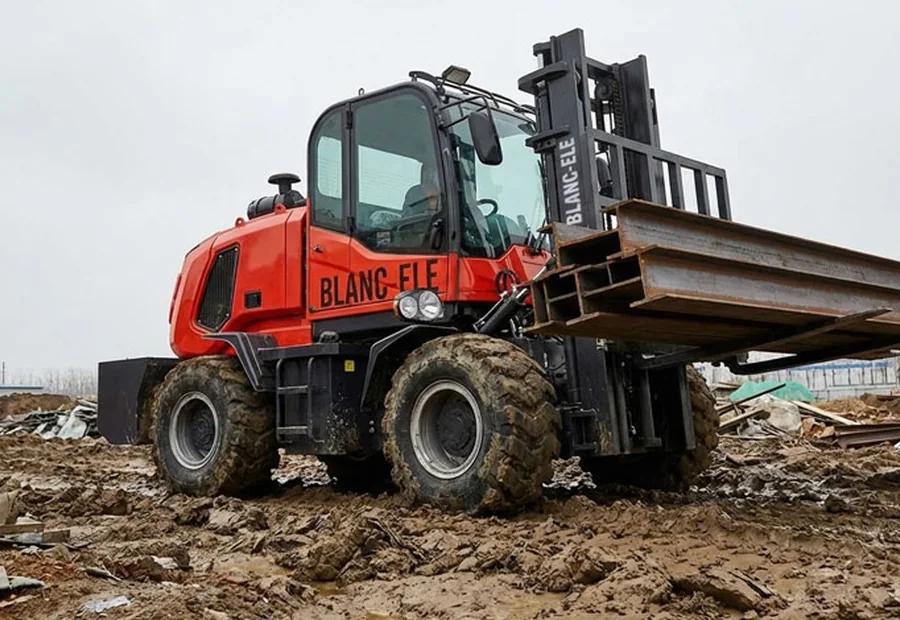
Rainy-season construction sites need more than rated capacity. Buyers should check ground condition, tires, 4WD, load center, route, lifting height, maintenance access, and support before choosing a rough terrain forklift.
Before You Add Long Forks to a Rough Terrain Forklift: What Buyers Should Check
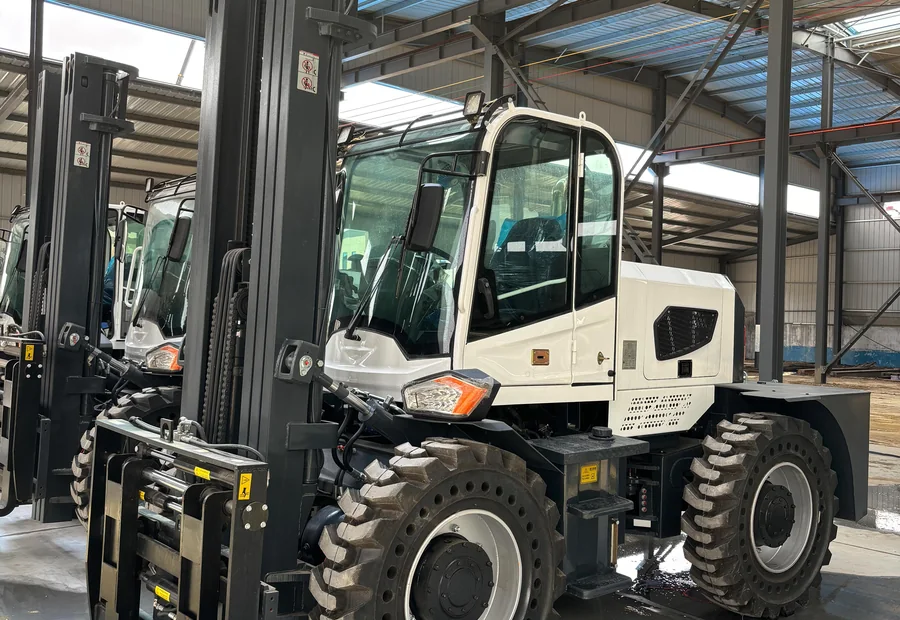
Long forks can help a rough terrain forklift handle larger loads, but buyers should check load center, fork strength, ground route, visibility, attachment plans, and final supplier confirmation before order.
Rough Terrain Forklift Manufacturer Checklist: What Importers Should Verify Before Order
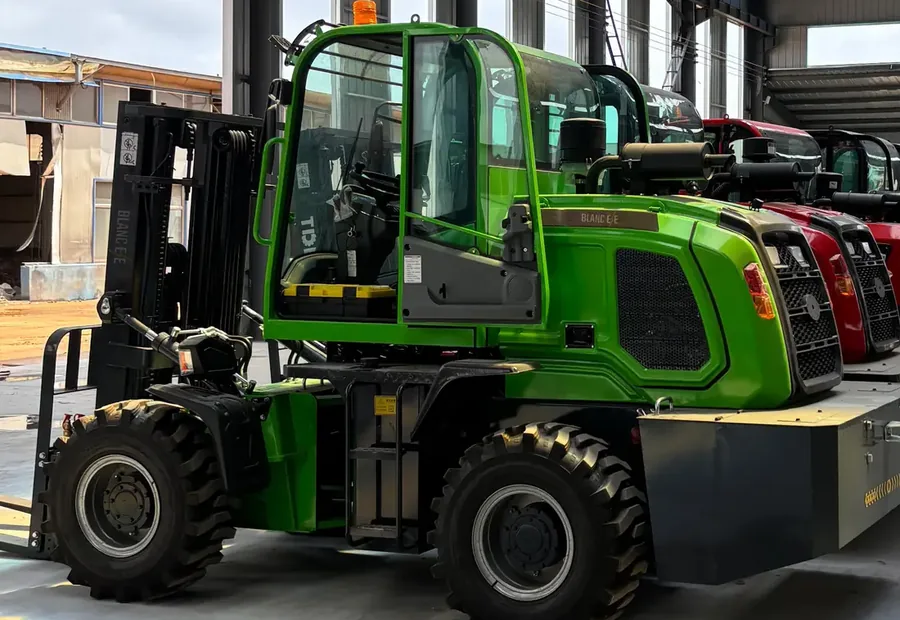
Importers should verify working condition, load center, attachments, documents, pre-shipment inspection, spare parts, and support before choosing a rough terrain forklift manufacturer.
FWD, RWD, or 4WD Forklift: What Outdoor Buyers Should Check Before Order
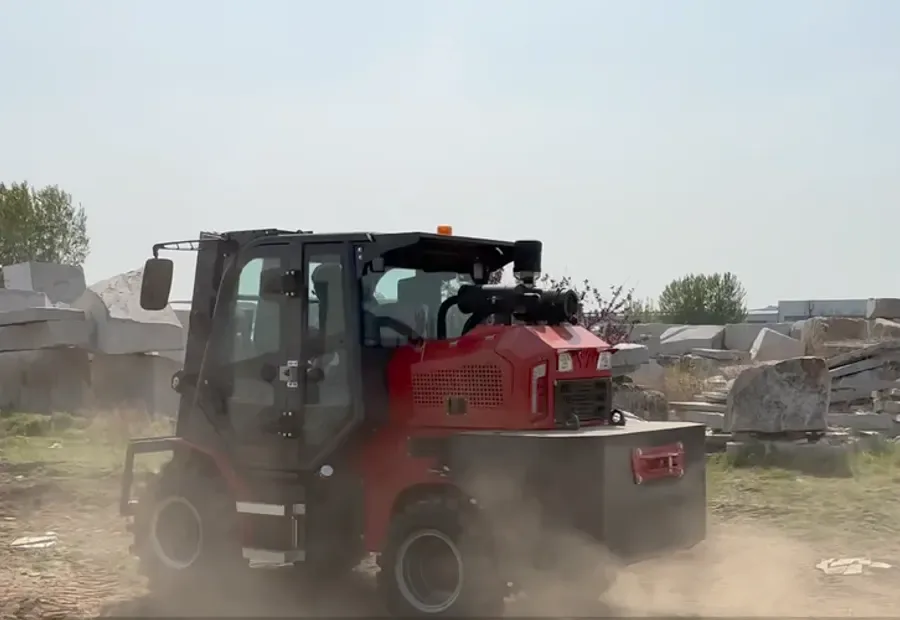
FWD, RWD, and 4WD forklifts should not be compared by drive type alone. Outdoor buyers should check ground, tires, slope, load center, steering, route, and service support before order.
Why Slope Work Should Be Checked Before Choosing a Rough Terrain Forklift
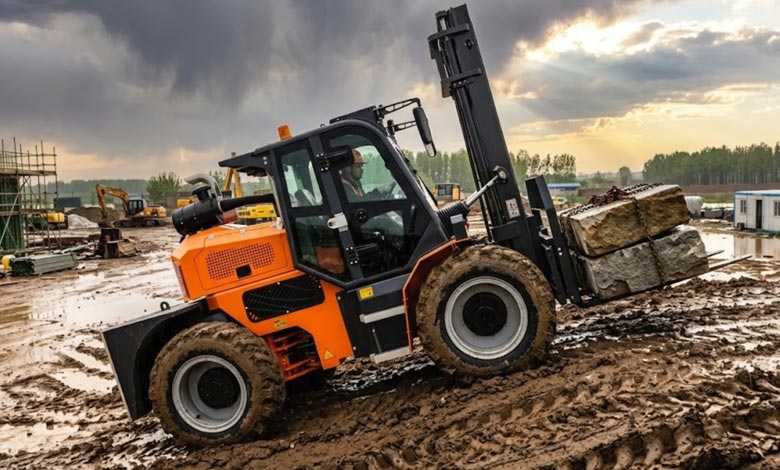
Slope work is not only about asking for a maximum grade number. Buyers should check ground condition, load, tires, route, operator practice, and machine configuration before choosing a rough terrain forklift.
Why Mining and Quarry Sites Need More Than a Standard Forklift
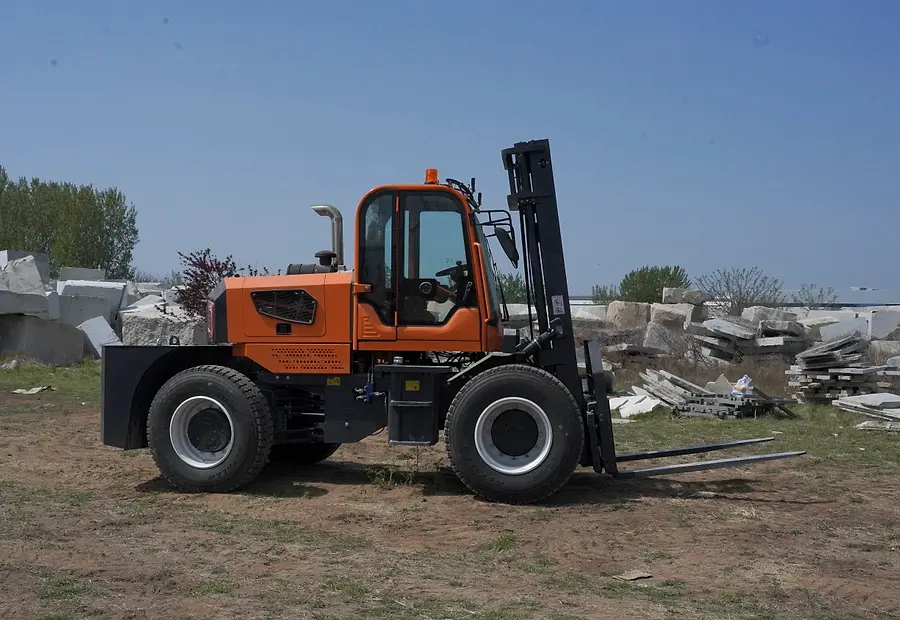
Mining and quarry sites need forklifts that can handle dust, loose stone, rough ground, slopes, long routes, and downtime risk. Learn what buyers should check before order.
Why Forklift Steering Matters More on Rough Terrain Than Buyers Expect
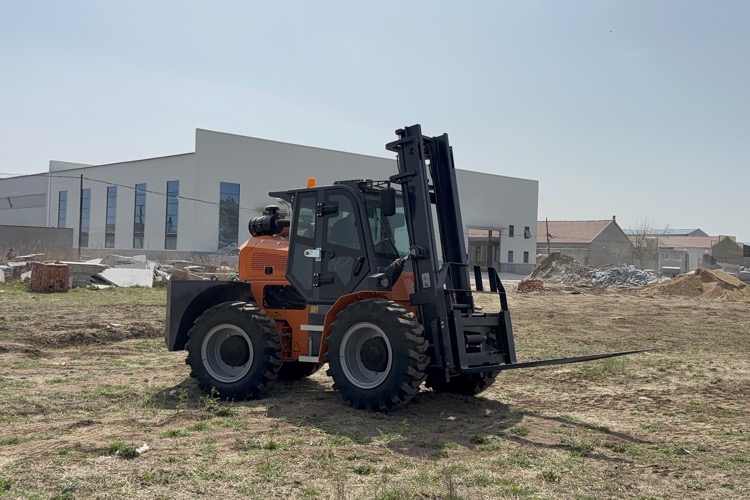
For rough terrain forklift buyers, steering affects turning space, control, tire wear, route efficiency, and daily operation. Learn what to check before choosing a machine.