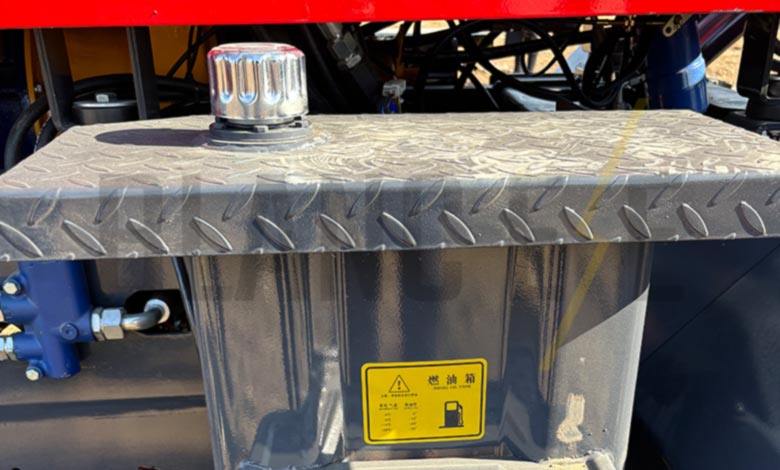
 External fuel tank with easy access – no need to open covers or climb onto the machine
In many real projects, we often discuss the same issue with customers:
Two forklifts1 may look very similar on paper, but the actual experience can feel completely different.
Some machines feel smooth, efficient, and easy to operate.
Others feel inconvenient, tiring, and harder to maintain.
Over time, we’ve realized that this difference rarely comes from capacity or engine power.
It usually comes down to small design details that are often overlooked during purchase.
A Forklift Is Not Just a Machine — It’s a Daily Tool
When choosing a forklift, most buyers focus on:
- Capacity
- Engine
- Price
But in real use, a forklift is not something you use occasionally.
It is something that works every day.
It needs to be refueled, checked, maintained, and operated under heavy load.
And most importantly, it needs to continuously generate value for your business.
That’s why real usability is determined by daily interaction, not specifications.
Refueling: A Simple Task That Makes a Big Difference
On many traditional forklifts1, the fuel tank is located inside the body.
This creates unnecessary complexity during refueling.
Operators may need to open covers, bend down, or even climb onto the machine.
In real working conditions, this leads to inconvenience, slower operation, and resistance from operators.
On BLANC-ELE2forklifts1, the fuel tank is always positioned externally.
This allows faster, easier, and more intuitive refueling.
It may seem like a small change, but over time, it saves effort every single day.
Fuel Visibility: Not Just Seeing It, But Understanding It
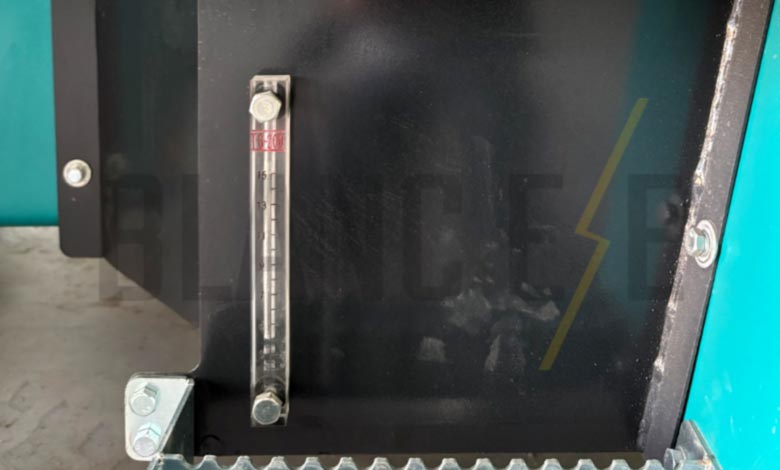 External fuel level indicator allows quick checks without stopping work
In many machines, fuel level is often estimated by experience or manual checking.
This creates uncertainty and can interrupt workflow.
BLANC-ELE2forklifts1 use a dual fuel monitoring system:
- An external visual fuel level indicator
- A real-time display on the dashboard inside the cabin
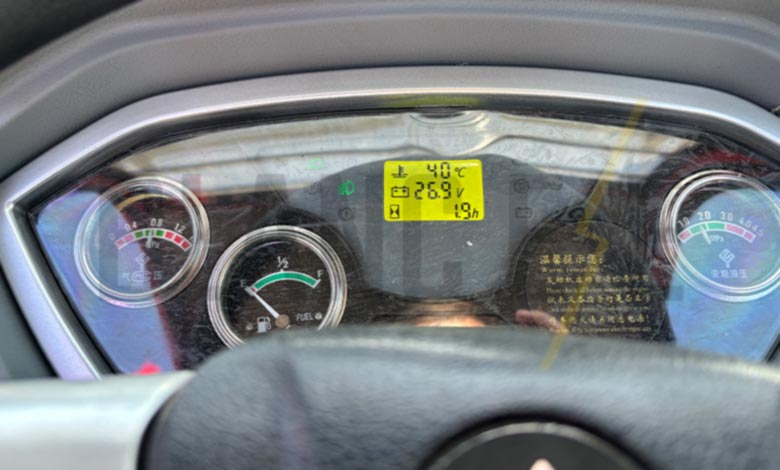 Dashboard display provides real-time fuel monitoring during operation
With this combination, operators can check fuel levels both outside and during operation.
There is no need for repeated confirmation or unnecessary downtime.
This is not just about visibility.
It is about giving operators full control over machine status at all times.
In continuous or heavy-duty work, this significantly improves efficiency and planning.
Lubrication: A Small Task That Is Often Ignored
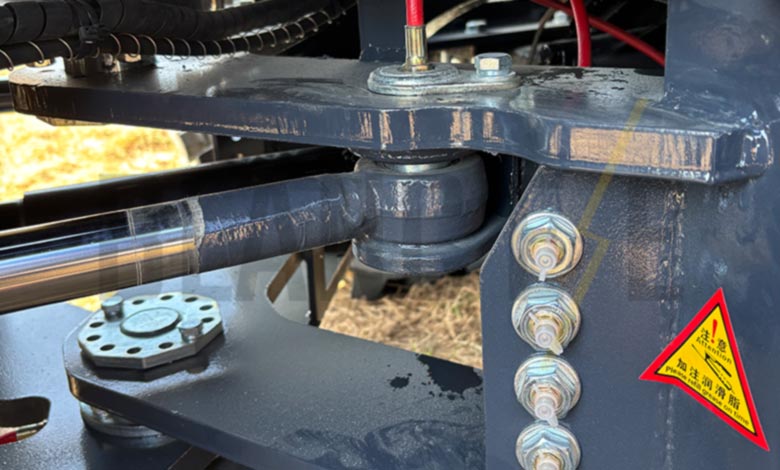 Centralized external grease points make maintenance simple and fast
Lubrication is one of the most basic maintenance tasks, but also one of the most neglected.
On many machines, grease points are located underneath or inside the structure.
This makes maintenance inconvenient.
Operators may need to crawl under the machine, which is time-consuming and uncomfortable.
In reality, this often leads to delayed maintenance or skipped servicing.
Over time, this results in:
- Increased wear
- Reduced lifespan
- Lower efficiency
More importantly, it can create safety risks.
Rough terrain forklifts3 operate under heavy loads, outdoor conditions, and uneven ground.
If maintenance is not properly done, the risk of failure increases significantly.
And in these conditions, accidents can be serious.
On BLANC-ELE2forklifts1, all grease lines are extended to the outside of the machine.
Operators can perform lubrication quickly and easily without accessing the underside.
This ensures maintenance is more likely to be done properly and consistently.
What We Often See on Real Job Sites
On construction sites or stone yards, operators usually do not perform detailed maintenance.
If a machine is difficult to maintain, it will simply be ignored.
At the same time, the machine is expected to handle heavy loads continuously.
Eventually, small issues turn into major problems.
This affects not only the machine, but also the entire workflow.
Many customers realize this after real use:
A forklift is not just about performance — it’s about how well it works in daily operations.
What These Design Details Really Solve
These features may look like small improvements.
But in reality, they directly impact:
In essence, they make the machine easier to use correctly in real conditions.
Final Thoughts
After years of working with different customers and applications, one thing has become very clear:
The value of a forklift is not defined by specifications alone.
It is defined by how easy it is to use every day.
A machine that is easy to operate, easy to maintain, and less likely to fail will always deliver greater long-term value.
At the end of the day, it must consistently create value for your business.
About BLANC-ELE
At BLANC-ELE2, we don’t just focus on performance.
We focus on real usability.
This includes:
These details may seem small, but they make a big difference over time.
Because in real-world projects:
A forklift that is easy to use will always outperform one that only looks good on paper.
Explore this resource to gain insights on selecting and maintaining forklifts for optimal performance and safety. ↩
Explore this link to discover how BLANC-ELE forklifts enhance usability and efficiency in daily operations. ↩
Explore this link to discover essential features that enhance the performance and usability of rough terrain forklifts in challenging environments. ↩
Explore how thoughtful design can lead to significant savings in operational expenses. ↩
Learn about the key elements that enhance time efficiency in daily forklift use. ↩
Find out how proper maintenance execution can reduce downtime and improve safety. ↩
Discover the relationship between design features and the reliability of forklift equipment. ↩
Explore essential safety features that can prevent accidents and ensure operator safety. ↩
Explore how an external fuel tank design can enhance refueling efficiency and operator convenience. ↩
Learn about the advantages of real-time fuel monitoring for better operational efficiency. ↩
Discover how this system simplifies maintenance and prolongs equipment lifespan. ↩