
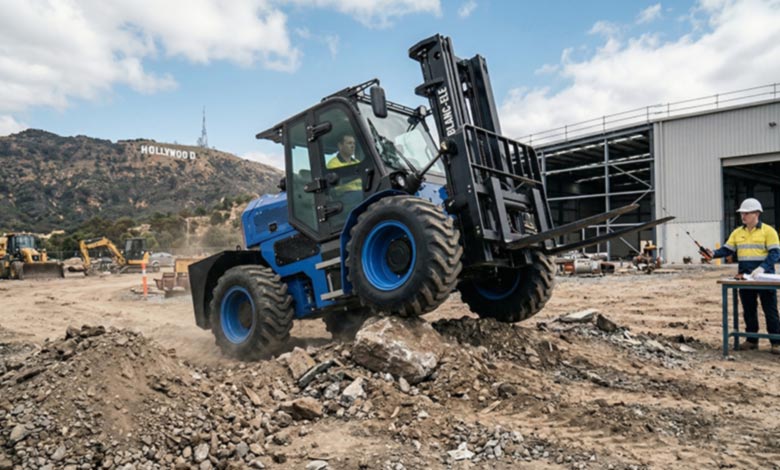
After working on rough terrain forklift export projects for years, I’ve noticed something quite common.
Almost every buyer asks:
👉 “What’s the ground clearance1?”
It sounds like a simple number.
But in real projects, ground clearance1 is not as straightforward as it looks.
👉 The same machine can have different values — depending on how it’s measured.
Why Ground Clearance Numbers Often Don’t Match
When comparing suppliers, you may see:
- 280 mm
- 300 mm
- 320 mm
But the machines look almost identical.
The reason is simple:
👉 Ground clearance is not always measured the same way.
1. Measurement Point Makes a Big Difference
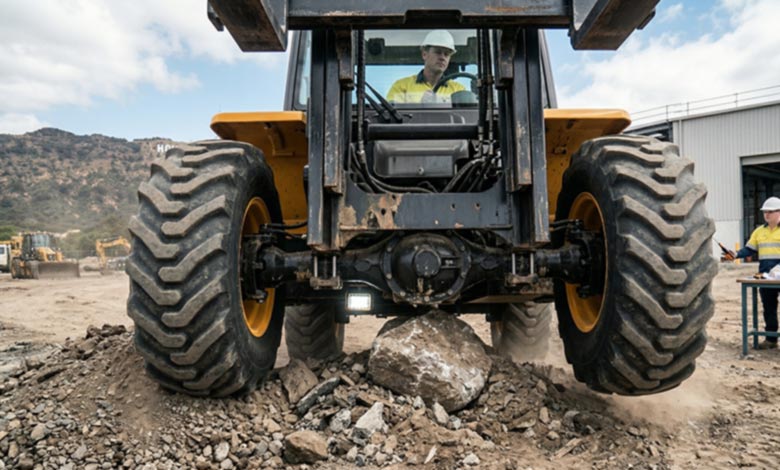
Ground clearance can be measured at different positions:
- The lowest point of the chassis
- The center of the machine
- Around the axle
👉 Each gives a different number.
In many cases, suppliers don’t clearly state this.
So what looks like the same spec is actually not directly comparable.
2. Machine Structure Matters More Than the Number
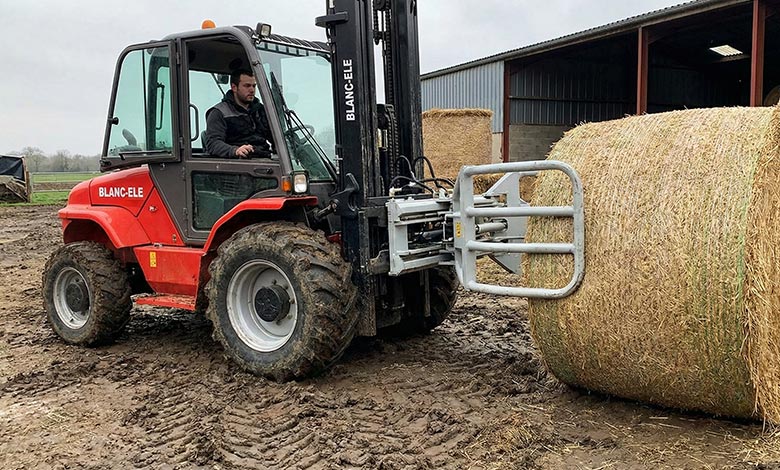
There are generally two types of structures:
👉 Rigid frame
👉 Articulated frame
Rigid frame machines have a fixed lowest point.
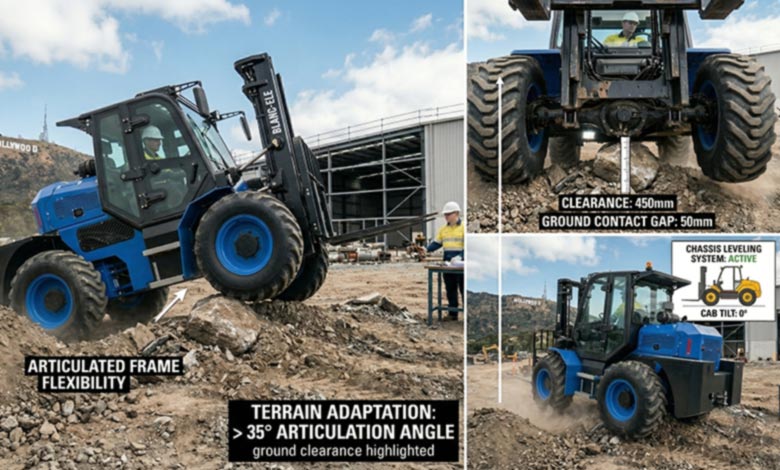
Articulated machines (like ours) allow the front and rear to move independently.
👉 This helps the wheels follow uneven ground
👉 Reduces the risk of getting stuck
In many real situations:
👉 Actual passability2 matters more than a higher spec number.
3. Real Working Conditions Change Everything
From experience, customers don’t really care about the number itself.
What they care about is:
👉 “Can this machine work on my site?”
Typical conditions:
- Construction sites3
- Farms4
- Gravel roads
In these cases, performance depends on:
- Tires
- Structure
- Weight distribution
Not just clearance.
A Real Case from Our Experience
One customer told us:
👉 “We need at least 350 mm ground clearance1.”
He was comparing specs from another supplier.
But after understanding his real application:
👉 Farm + uneven ground
We recommended a model with:
👉 260 mm minimum clearance (adjustable to 300 mm)
After using it, his feedback was:
👉 “No problem at all. Works perfectly.”
This happens more often than you might think.
👉 Many buyers compare numbers — not real performance.
How to Evaluate Ground Clearance Properly
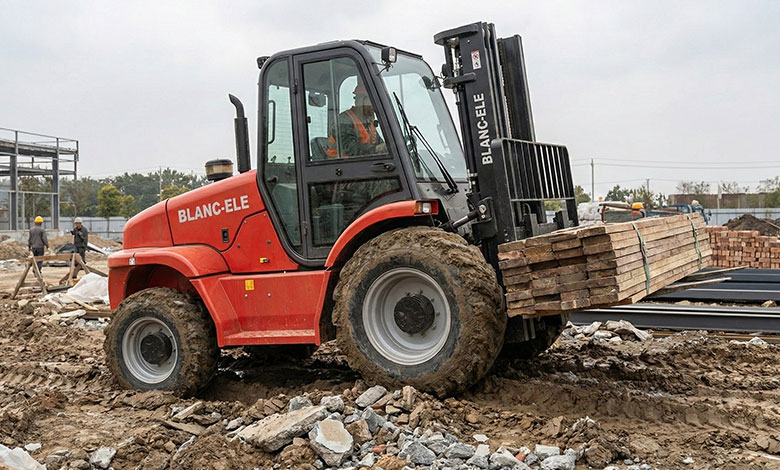
Instead of focusing on a single number, check:
1. The lowest point of the machine
2. The frame structure
3. The tire configuration
In outdoor applications:
👉 Tires can affect performance as much as clearance.
A More Practical Way to Think About It
Instead of asking:
👉 “What’s the clearance?”
I usually ask:
👉 “What’s the roughest ground on your site?”
Then we evaluate based on that.
👉 Not just the number.
Final Thoughts
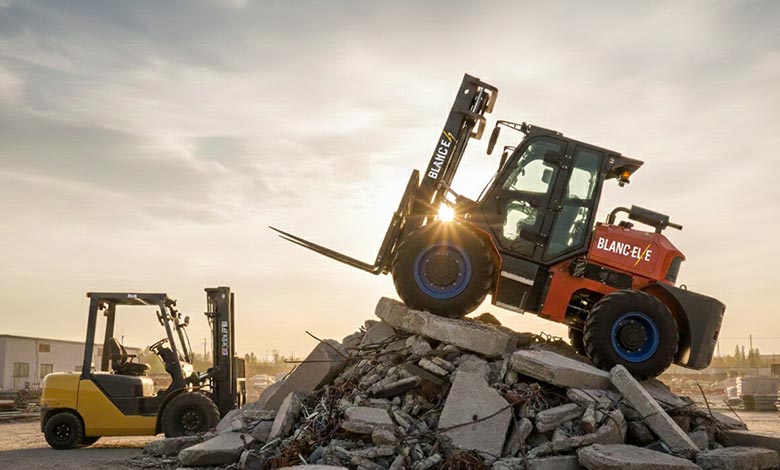
Ground clearance is useful.
But relying on it alone can be misleading.
👉 In real projects, passability2 matters more than specs.
A Note from BLANC-ELE
At BLANC-ELE, we don’t just provide a number.
We evaluate:
- structure
- tires
- real working conditions5
Because in practice:
👉 what matters is not the number
👉 but whether the machine works on your site
Understanding ground clearance helps you choose the right forklift for your specific terrain needs. ↩
Understanding passability can help you select a forklift that performs well in your specific environment. ↩
Explore this resource to understand how to optimize forklift performance in construction environments, ensuring safety and efficiency. ↩
Explore this resource to understand how to optimize forklift performance in farm settings, ensuring efficiency and safety. ↩
Gain insights into how actual site conditions can influence forklift effectiveness beyond just specs. ↩