
What Do Rough Terrain Forklifts Do in Forestry Operations?
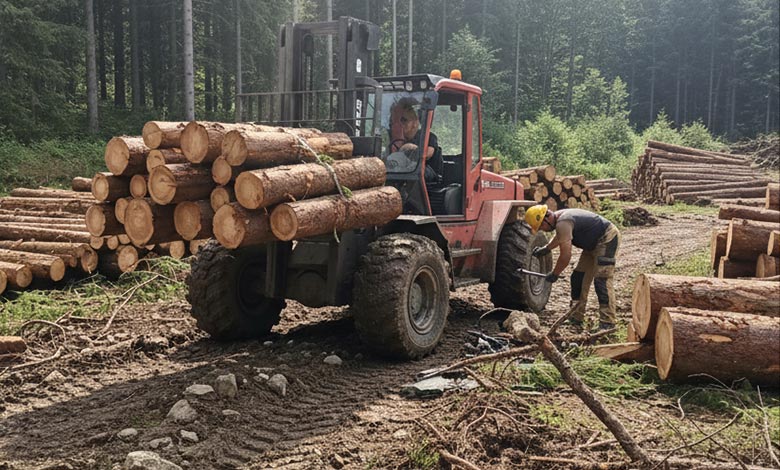
Rough terrain forklifts in forestry are used for moving, loading, stacking, and transporting logs across muddy, rocky, and sloped terrain…
Why Farmers Choose Rough Terrain Forklifts for Daily Work?
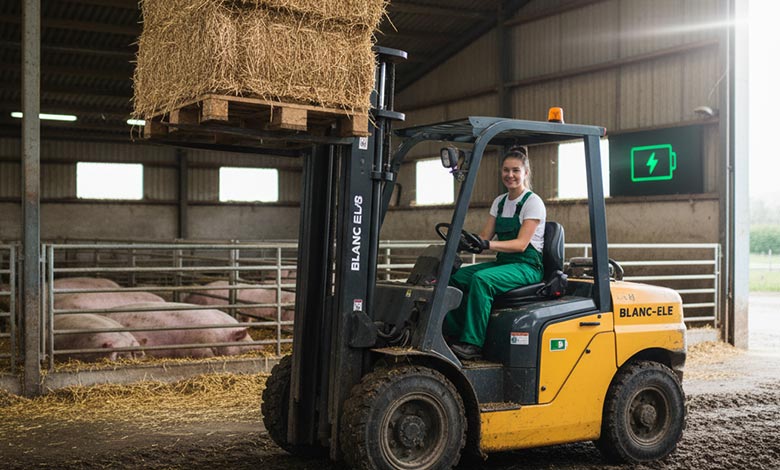
Farmers choose rough terrain forklifts because they can handle mud, grass, soft soil, and uneven ground without losing traction or time…
How Are Rough Terrain Forklifts Used on Construction Sites?
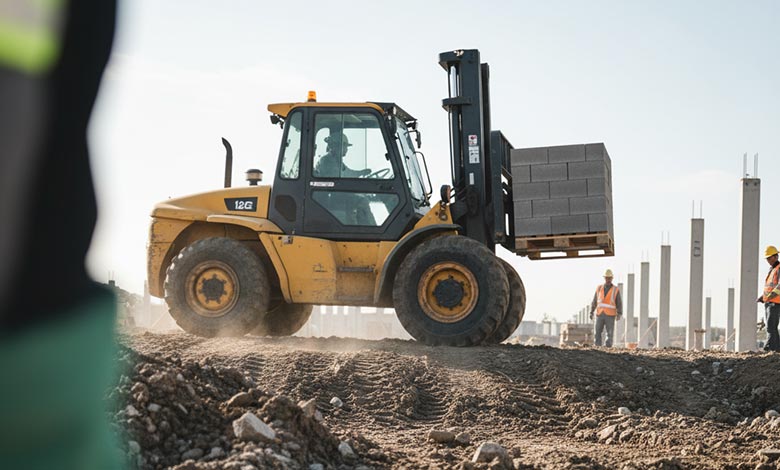
Rough terrain forklifts ensure operational continuity by maintaining traction and mobility even on unpaved, uneven, or wet ground…
What’s the Difference Between Rough Terrain and All-Terrain Forklifts?
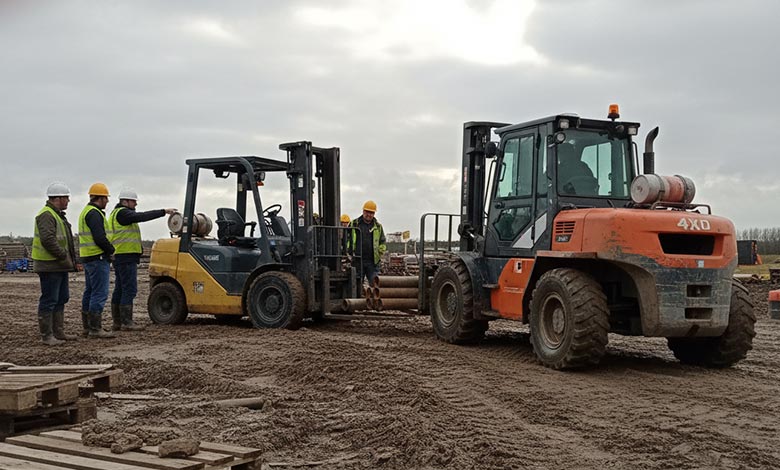
When your forklift gets stuck halfway up a gravel slope or sinks in soft soil, that’s when you realize the wrong choice can cost you far more than the machine itself…
What are the advantages of a 4WD forklift?
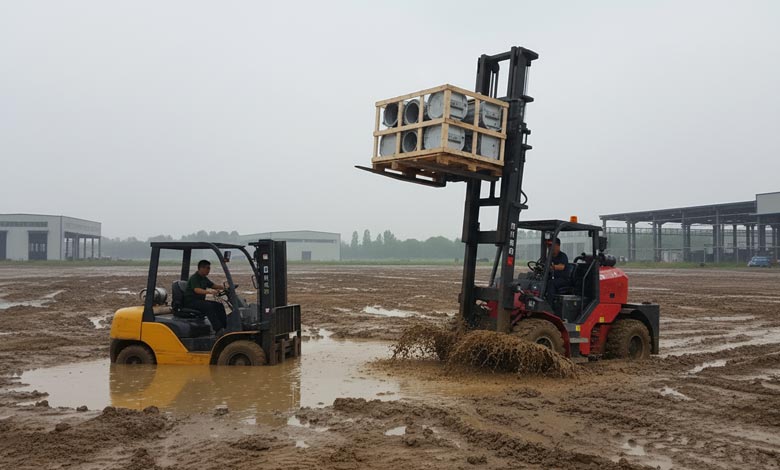
A 4WD forklift gives you constant traction on tough sites, keeps your operators safer with better stability, and has a longer working life…
Is a Rough Terrain Forklift the Same as a Telehandler?
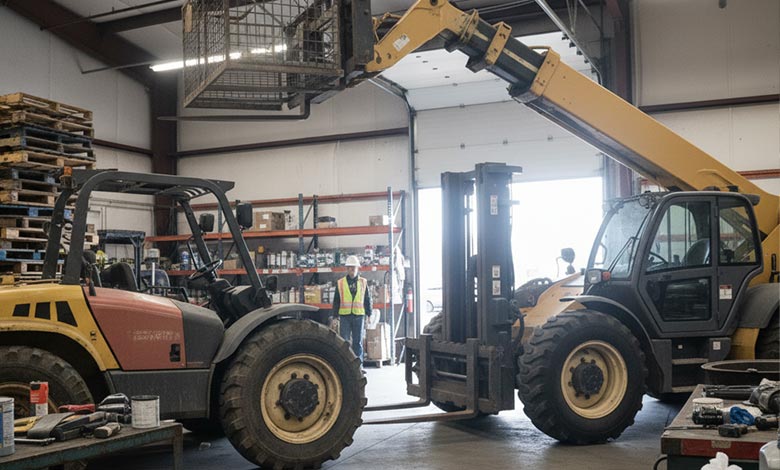
No, they are fundamentally different. A rough terrain forklift1 uses a vertical mast2 for lifting, just like a standard forklift. A telehandler3 uses a telescopic boom, providing forward and upward reach like a small crane…
What to Consider When Buying Rough Terrain Forklifts from China?
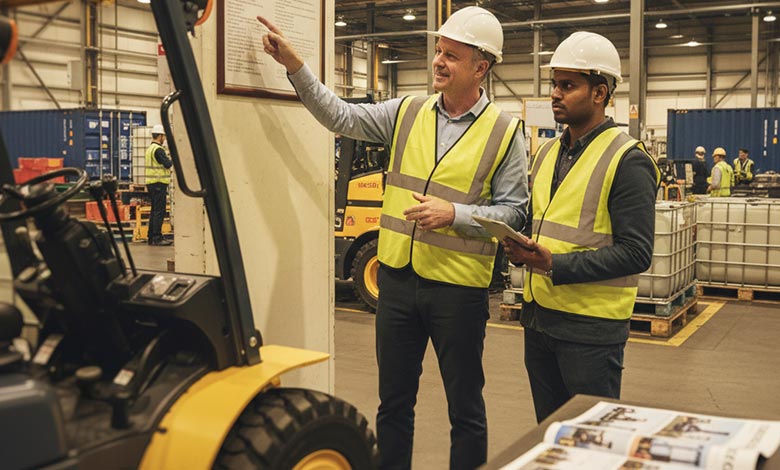
First, assess your worksite’s terrain and the specific loads you’ll handle. Then, choose a supplier with strong after-sales support and a proven reputation to guarantee your forklift’s performance…
How to Use 4WD Forklifts to Guarantee Efficiency in Any Weather
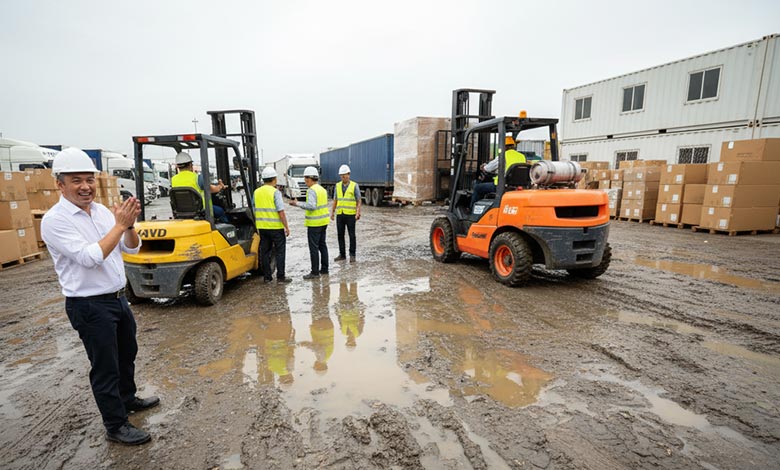
To guarantee efficiency, use 4WD rough terrain forklifts1. Their superior traction and power distribution allow them to operate at full capacity on mud…
Construction Material Handling Blocked – Is It Time to Upgrade Your Forklift?
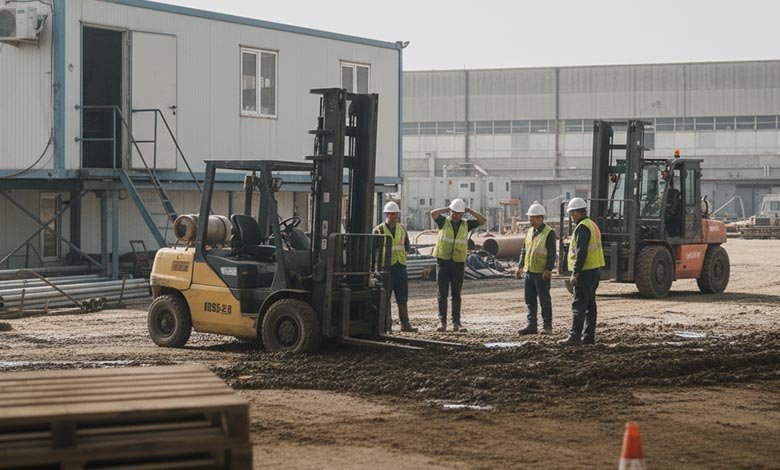
Rough terrain forklifts with 4WD capability solve material handling challenges on uneven, muddy, or unpaved construction sites where standard forklifts fail…
What Slope Can a Forklift Handle? Why Rough Terrain Forklifts Are the Safest Choice
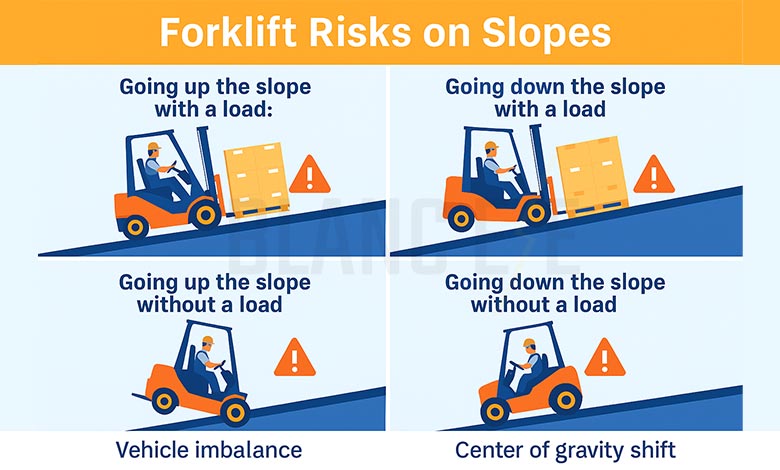
Forklifts often skid or roll back on slopes, creating safety and efficiency concerns. Different forklift types have very different slope capabilities…