
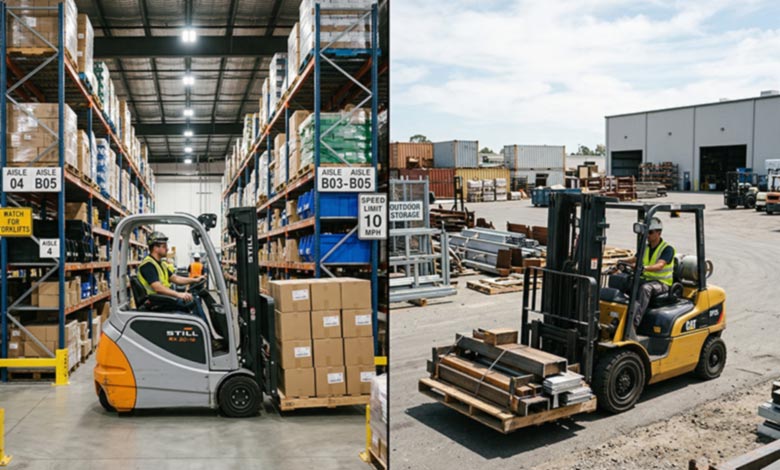
After working on forklift projects for years, I’ve noticed a common question from buyers:
👉 “Should I choose a 3 wheel or 4 wheel diesel forklift1?”
It sounds like a simple comparison.
But in real projects, this decision is often misunderstood.
👉 Because these two types are designed for completely different working environments.
Why Many Buyers Get Confused
In many of the projects we’ve worked on, customers are dealing with mixed conditions:
- Warehouse + outdoor yard
- Limited space
- Uneven ground
So they try to balance:
But the reality is:
👉 this is not just a preference — it’s a trade-off.
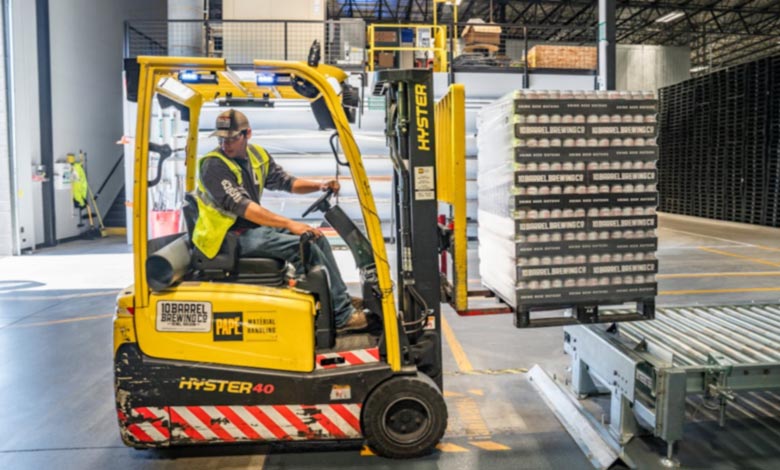
3 Wheel Diesel Forklift: Best for Tight Indoor Spaces
Advantages
From practical use, 3 wheel forklifts3 are ideal for:
- Narrow aisles
- Indoor warehouses
- Frequent turning
They offer:
- Smaller turning radius
- Higher maneuverability
- Efficient operation in confined areas
👉 Perfect for indoor logistics.
Limitations
However, they also have clear drawbacks:
- Lower stability
- Higher requirement for flat ground
In environments like:
- Outdoor yards
- Slopes
- Rough terrain
👉 performance drops significantly.
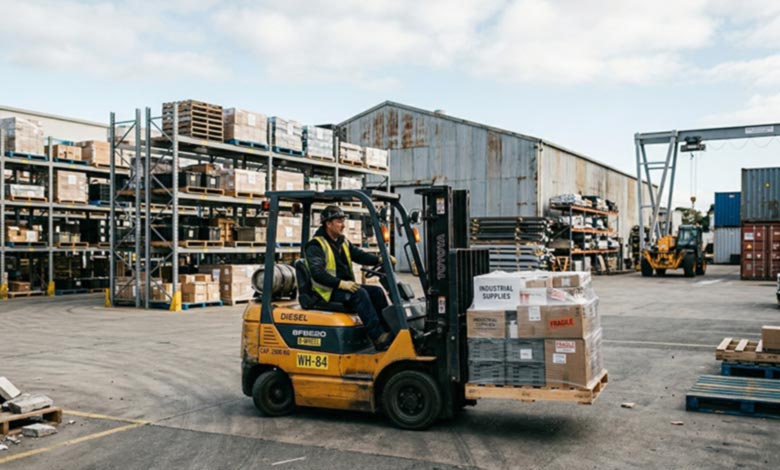
4 Wheel Diesel Forklift: More Stable, But Not Built for Rough Ground
Advantages
4 wheel forklifts are generally:
- More stable
- Better load support
- More balanced overall
👉 Suitable for general-purpose use.
Limitations
But they are not perfect:
- Larger turning radius
- Less flexible in tight spaces
And more importantly:
👉 they are still designed mainly for relatively flat surfaces.
A Key Point Most Buyers Miss
From our experience, many customers don’t actually choose the wrong “type”.
👉 They choose based on the wrong logic.
A Real Case
One customer told us:
👉 “We prefer a 4 wheel diesel forklift1 — it’s more stable.”
That sounded reasonable.
But after asking about their application:
👉 outdoor + slopes + uneven ground4
It became clear:
👉 the issue was not 3 wheel vs 4 wheel
👉 but whether a standard forklift was suitable at all.
The Real Decision: Not 3 Wheel vs 4 Wheel
If your application is:
👉 indoor warehouse5 work
Then yes:
👉 3 wheel vs 4 wheel matters.
But if your work involves:
- Construction sites6
- Farms7
- Mud8, gravel, slopes
- Uneven outdoor terrain9
👉 then the real question becomes:
👉 “Is a standard forklift enough?”
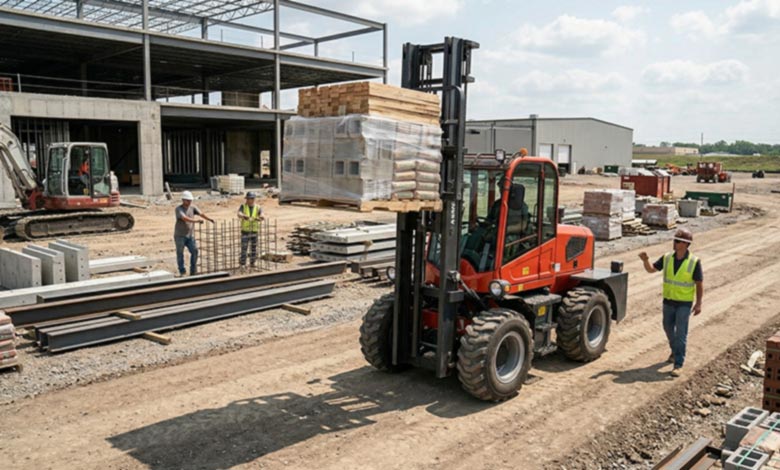
When a 4WD Rough Terrain Forklift Makes More Sense
In many outdoor projects, we’ve seen:
👉 3 wheel forklifts3 lack stability
👉 4 wheel forklifts lack passability
This is where:
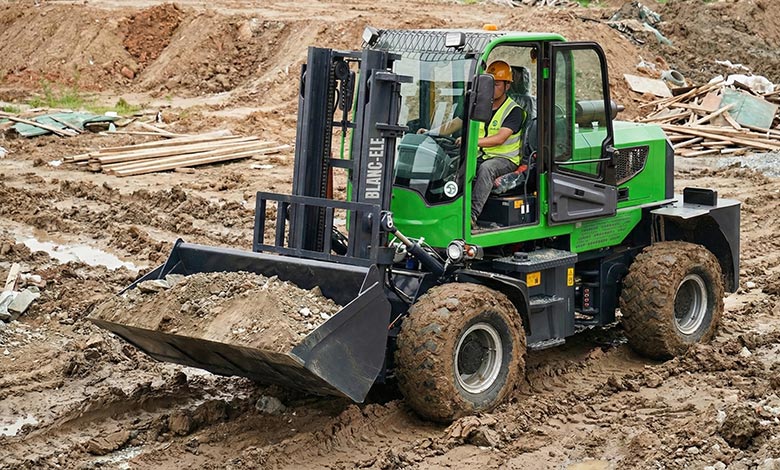
👉 4WD rough terrain forklift10s (4x4 forklifts) become the better choice.
Why?
Because they are designed for:
👉 They solve problems that standard forklifts cannot.
Another Important Factor: Attachments Expand Capability
There’s one more point many buyers overlook at the beginning:
👉 attachments
In real projects, the value of a forklift is not just in the machine itself.
👉 It’s in how many jobs it can handle.
For example:
- Bucket11 → loading and cleaning
- Clamp12 → handling special materials
- Side shift13 → improving efficiency
👉 One machine, multiple applications.
👉 If you're interested, you can also check our guide on forklift attachments14 (internal link here).
A Practical Way to Choose
From experience, I usually suggest:
Indoor warehouse
✔ Choose 3 wheel
Flat outdoor yard
✔ Choose 4 wheel
Rough terrain / uneven ground
✔ Consider 4WD rough terrain forklift10
Final Thoughts
After working on many projects, one thing is clear:
👉 Many buyers ask the wrong question at the beginning.
Instead of asking:
👉 “3 wheel or 4 wheel?”
The better question is:
👉 “What is my actual working environment?”
Once that’s clear:
👉 the right choice becomes much easier.
A Note from BLANC-ELE
At BLANC-ELE15, we don’t simply recommend a model.
We first understand:
- working conditions
- terrain
- application
Then suggest the most suitable solution.
Because in real projects:
👉 choosing the right type matters more than choosing the right model.
Learn how 4 wheel diesel forklifts provide stability and load support for various applications. ↩
Learn about the trade-offs between flexibility and stability in forklift selection. ↩
Explore this resource to gain deeper insights into the benefits and limitations of 3 wheel forklifts for your specific needs. ↩
Discover the challenges forklifts face on uneven terrain and the best solutions. ↩
Find out which forklifts are most effective for indoor logistics and narrow spaces. ↩
Explore this resource to discover the most suitable forklifts for construction sites, ensuring safety and efficiency. ↩
Explore this resource to discover specialized forklifts designed for farm use, ensuring efficiency and safety on uneven ground. ↩
Explore this resource to discover specialized forklifts designed for muddy conditions, ensuring optimal performance and safety. ↩
Explore this resource to discover specialized forklifts designed for challenging outdoor conditions, ensuring optimal performance. ↩
Discover how rough terrain forklifts are designed for challenging outdoor conditions. ↩
Explore this resource to understand how bucket attachments enhance forklift versatility and efficiency in various applications. ↩
Explore this resource to understand how clamp attachments enhance forklift versatility and efficiency in handling various materials. ↩
Explore this resource to understand how side shift attachments enhance forklift versatility and operational efficiency. ↩
Understand how attachments can enhance forklift capabilities for various tasks. ↩
Explore BLANC-ELE's expertise in forklift solutions tailored to your specific working conditions and needs. ↩