
When customers first ask about rough terrain forklifts, most of the questions are quite similar:
- What’s the lifting capacity1?
- What’s the lift height2?
- What engine does it use?
But very few people ask:
👉 “What attachments should I actually choose?”
In many cases, we’re the ones who bring it up. And once customers realize what attachments3 can do, the next question becomes:
👉 “Do I really need these, or not?”
After working with customers in different industries, I’ve noticed something very clear:
👉 Some attachments are used almost every day
👉 Others look useful, but end up sitting unused most of the time
So here’s a more practical breakdown based on real usage.
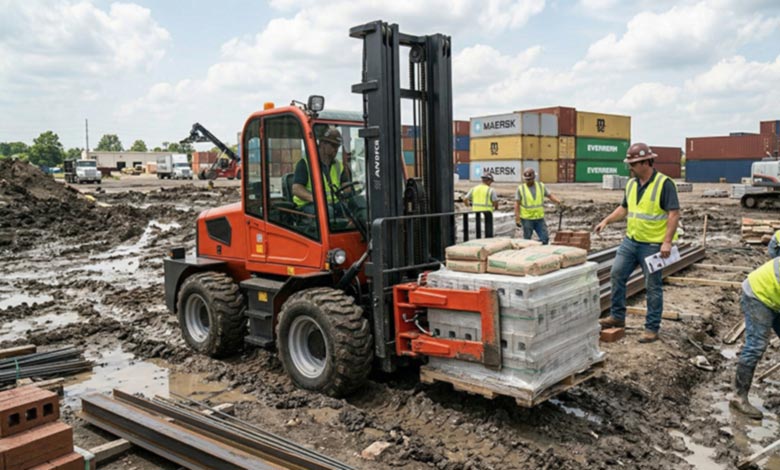
Why Attachments Matter More Than Many Buyers Expect
At first glance, attachments3 feel like optional extras.
But in real work environments, they often define what the machine can actually do.
For example:
- Without a bucket4 → you can only move pallets
- With a bucket → you can handle sand, soil, and site cleanup
👉 Same machine, completely different use cases.
That’s why choosing the right attachment is not just about adding features —
it’s about making the machine more useful on site.
Attachments That Are Almost Always Worth It
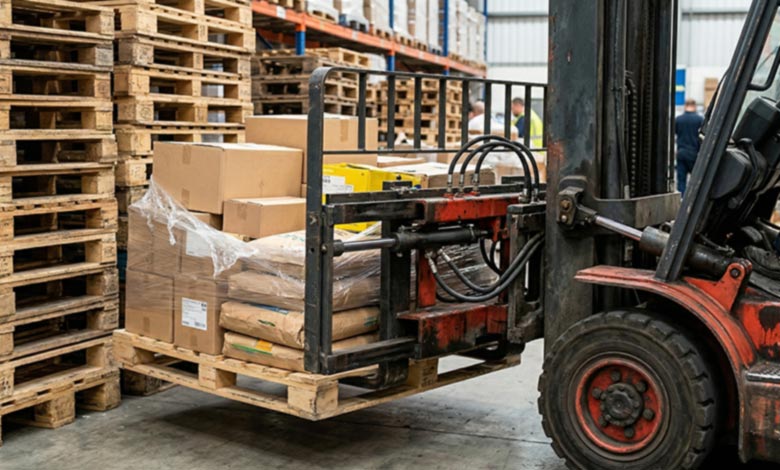
1. Side Shift
This is one of the first things I usually recommend.
In real operations, loads are rarely perfectly aligned.
With side shift5:
- You don’t need to reposition the whole machine
- Loading becomes faster
- Operators work more efficiently
👉 Low cost, but a big difference in daily use
To be honest, I often consider this close to a standard feature.
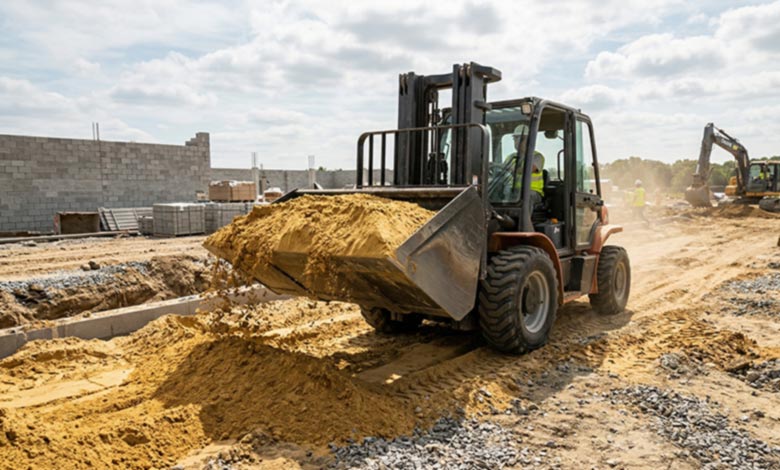
2. Bucket
For outdoor work, this can be extremely useful.
I usually ask customers:
👉 “Do you ever need to move loose materials like sand or soil?”
If the answer is yes, I almost always suggest adding a bucket4.
One customer working on a construction site added a bucket after our discussion.
His feedback was simple:
👉 “Now this machine can do almost everything.”
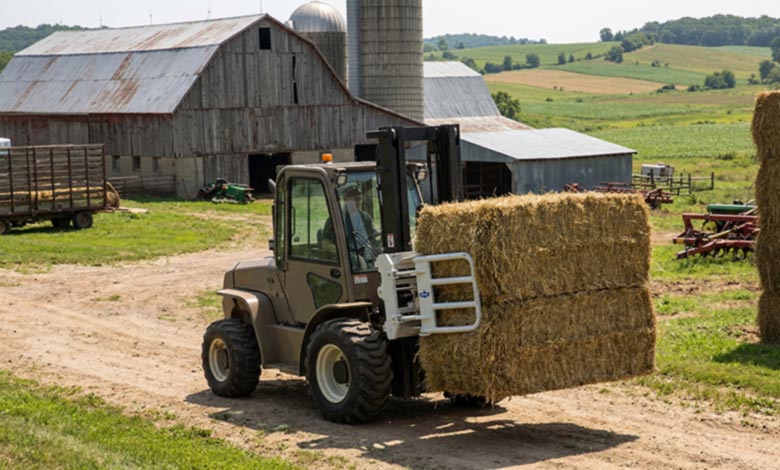
3. Bale Clamp
This is mainly for agricultural use.
If you're handling:
- Hay bales
- Cotton
- Packed materials
Using standard forks is often inefficient.
One farm customer initially used forks and struggled with slipping loads.
After switching to a bale clamp6:
👉 Handling became much easier and faster.
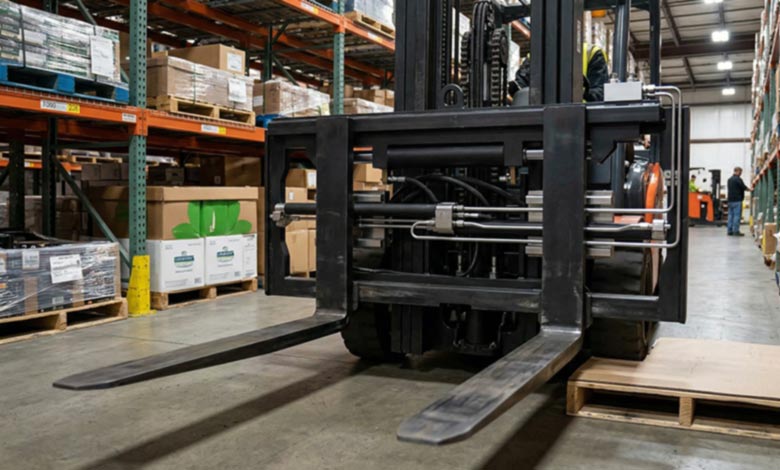
4. Fork Positioner
This is something many buyers don’t consider at first.
But if you frequently handle different pallet sizes, it becomes very useful.
- Adjust fork spacing without leaving the seat
- Faster operation
- Less manual adjustment
Attachments That Look Useful — But Are Often Underused
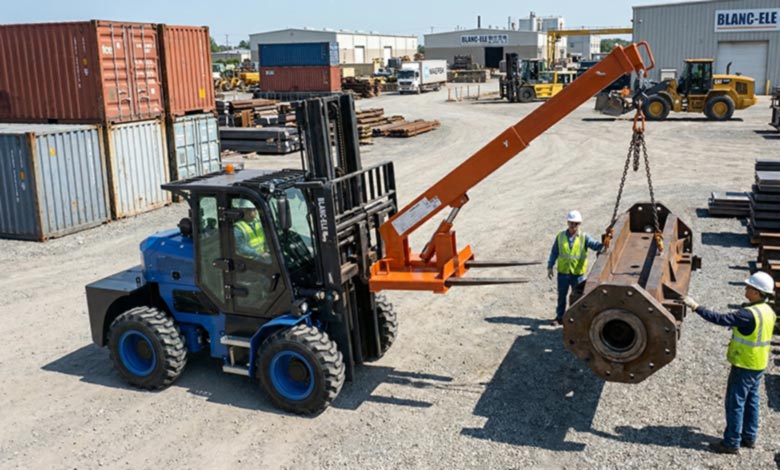
Some attachments3 look impressive on paper, but in practice, they’re not used as often.
Crane Jib
Many customers think:
👉 “It can act like a small crane.”
That’s true — but:
- Limited use cases
- Not used daily
- Often sits idle
I’ve seen customers purchase it, but only use it occasionally.
Real Situations We’ve Seen
A Good Example (Right Choice)
One customer working in a stone yard initially planned to buy a standard forklift.
I asked:
👉 “Do you need to move loose material or clean the site?”
He said yes.
Later he told me:
👉 “This machine basically replaced a small loader.”
A Common Case (Unused Attachments)
Another customer ordered multiple attachments3, including a crane jib7.
On paper, everything looked complete.
But in daily use:
👉 90% of the time, only forks were used
The rest were rarely touched.
A “Should Have Added” Case
We also had customers who didn’t include side shift5 at the beginning to save cost.
After using the machine, they came back and said:
👉 “We should have added this from the start.”
Eventually, they upgraded.
How I Usually Help Customers Decide
Instead of recommending everything, I usually start with a simple question:
👉 “What do you mainly handle every day?”
Then:
👉 “Do you have any additional tasks like loading or cleanup?”
Most of the time, the right attachment choice becomes obvious from there.
Final Thoughts
If I had to summarize it in one sentence:
👉 Attachments are not about having more —
👉 They’re about choosing what you’ll actually use.
Some attachments3 can completely change how useful the machine is.
Others may look good, but rarely get used.
A Note from BLANC-ELE
At BLANC-ELE8, we don’t automatically add multiple attachments3 to every machine.
Instead, we help customers choose based on real working conditions9:
- What is actually needed
- What is not necessary
Because in real projects:
👉 Practical setups always work better than “fully equipped” ones.
Understanding lifting capacity helps you choose the right forklift for your needs. ↩
Knowing the lift height is crucial for ensuring the forklift meets your operational requirements. ↩
Explore the best attachments to enhance the functionality of your rough terrain forklift. ↩
Learn how a bucket can transform your forklift into a versatile tool for various tasks. ↩
Discover how side shift can significantly enhance loading efficiency and operator productivity. ↩
Find out how a bale clamp can improve efficiency in handling agricultural materials. ↩
Explore the practical uses and limitations of crane jib attachments to make informed decisions. ↩
Explore BLANC-ELE's approach to optimizing forklift attachments for real-world applications, ensuring you make informed choices. ↩
Gain insights into how actual job site needs dictate the best attachment selections. ↩