Over the years working on rough terrain forklift1 export projects, one thing has become very clear to me:
👉 In many cases, problems don’t come from choosing the wrong machine —
👉 they come from choosing the wrong supplier.
In many of the projects we’ve been involved in, the early decisions were actually reasonable:
- The lifting capacity was correct
- The configuration2 made sense
- The price was within budget
But later, issues started to appear in areas like:
👉 delivery time3, communication, spare parts4, or even basic reliability
That’s why nowadays, when I talk to customers, I don’t just discuss specifications.
👉 I also spend time talking about how they choose their supplier.
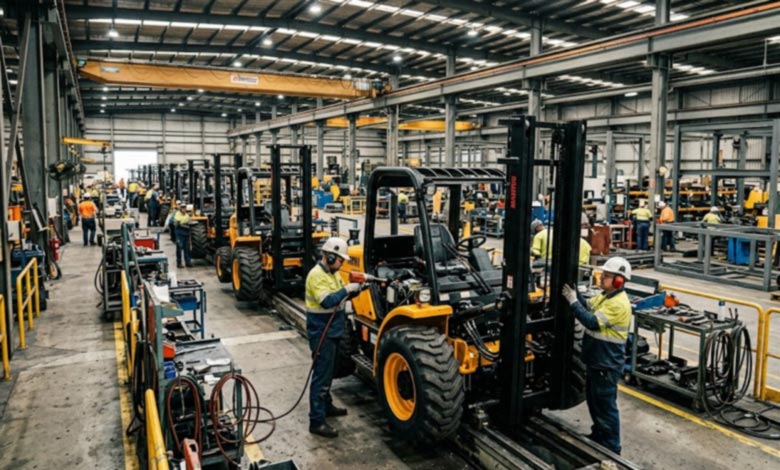
Problems We Have Seen Repeatedly in Real Projects
These are not assumptions — these are situations we’ve seen again and again over the years.
Case 1: Good Price, But Delayed Delivery
Among the customers we’ve worked with, many initially chose the lowest price supplier for their first order.
One customer shared his experience with us.
The price looked very competitive at the beginning.
But the timeline changed several times:
- First promised: 20 days
- Then: 40 days
- Final delivery: nearly 2 months
The result was simple:
👉 He missed his sales window
And he told me something that stuck with me:
👉 “The money saved on price was less than the cost of lost time.”
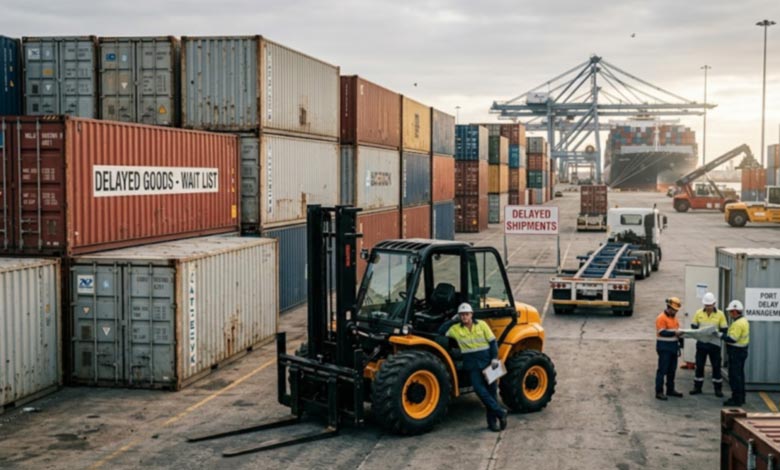
Case 2: The Machine Works, But Spare Parts Don’t
Another situation we see quite often is this:
The machine itself works fine.
But after some time, a very practical issue appears:
👉 spare parts4 are not available, or take too long to arrive
Which leads to:
👉 the machine sitting idle
From a project perspective5, this becomes a real cost6.
Because for most customers:
👉 every day the machine is not working means real loss.
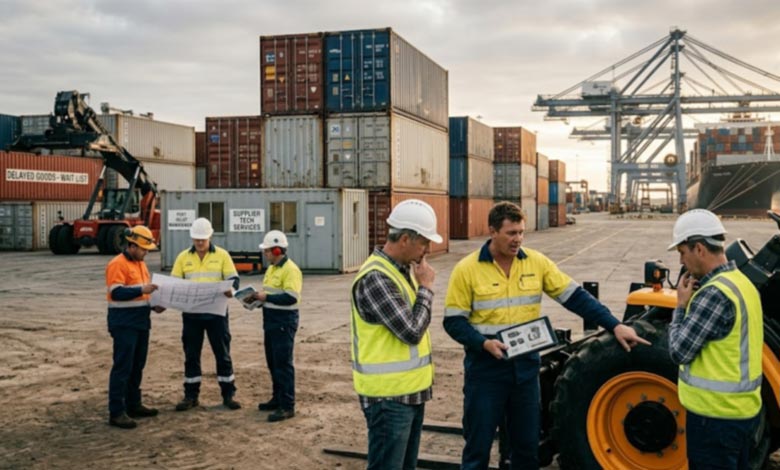
Case 3: Everything Is “Possible” — Until Details Are Asked
There is also a type of supplier that sounds very flexible at the beginning.
👉 Everything is “no problem”
But once you ask for details:
- Exact engine model
- Emission standard
- Component source
👉 the answers become unclear
From our experience, this is something worth paying attention to.
Because:
👉 if things are unclear at the beginning, they are more likely to become problems later.
So How Do You Actually Judge a Reliable Supplier?
There is no single rule, but based on our experience, a few practical checks can help a lot.
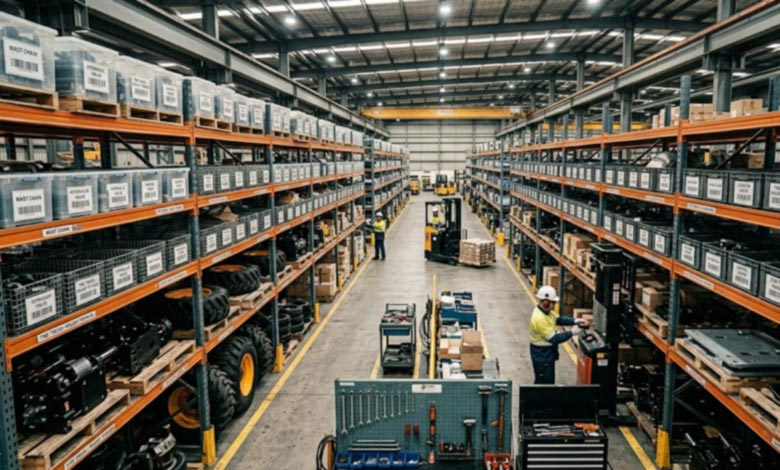
1. Do They Have Real Production Capability?
It doesn’t have to be a large factory.
But you should at least confirm:
👉 they are actually involved in manufacturing, not just reselling
We’ve seen many cases where:
👉 good photos ≠ real production ability
2. Can They Clearly Explain the Configuration?
A reliable supplier should be able to explain:
- Why a certain mast is recommended
- Differences between engine options
- Which attachments suit your application
👉 If these details are explained clearly, it usually means experience is there.
3. Do They Point Out Risks in Advance?
This is something many buyers overlook.
But in our experience:
👉 reliable suppliers don’t just say “yes”
They also explain:
- potential delivery risks
- limitations of configuration2s
- mismatches between machine and application
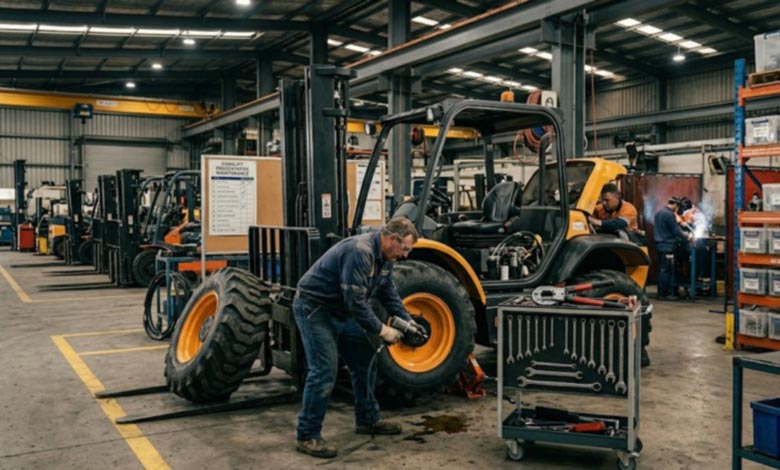
4. Do They Have a Basic Spare Parts System?
This is often ignored during the first purchase.
But it becomes critical later.
Simple questions you can ask:
- Are common spare parts4 in stock?
- How fast is the response time?
These answers often reflect whether the supplier is working long-term in this field.
Common Mistakes Buyers Make
After seeing many projects, a few patterns are very clear.
Only Comparing Price
Price matters.
But in many cases:
👉 the lowest price is not the lowest real cost6
Relying Too Much on Photos and Specifications
A website may look professional.
But:
👉 visual presentation is not the same as delivery capability
Ignoring Communication Quality
Early communication already shows a lot:
- response speed
- clarity of explanation
- understanding of your needs
From our experience:
👉 communication style often reflects future cooperation.
How We Usually Approach a Project
When discussing with customers, we also try to understand:
👉 what kind of cooperation fits the project best
Some customers focus more on price.
Others focus more on stability.
But one thing is always true:
👉 clearer requirements lead to better supplier matching7.
Final Thoughts
After working on these projects for years, one thing feels very clear:
👉 machines can be adjusted over time
👉 but choosing the wrong supplier creates bigger problems later
Many issues are not technical.
👉 they come from choosing the wrong partner at the beginning.
A Note from BLANC-ELE
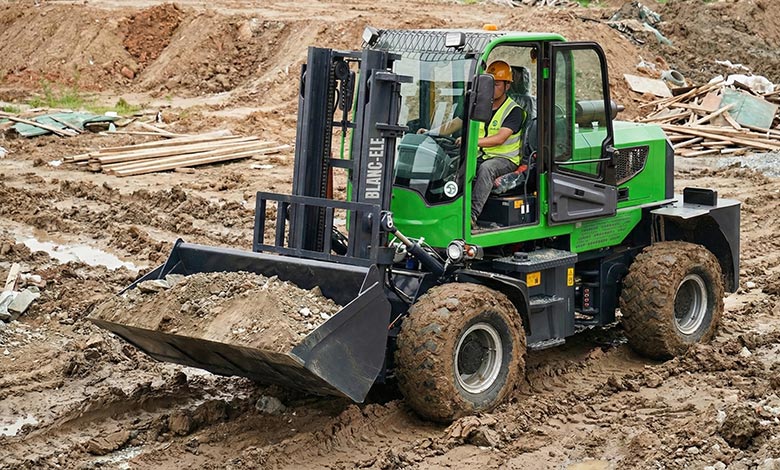
At BLANC-ELE8, we don’t simply focus on price or specifications.
We usually start by understanding the actual working conditions, and then suggest:
- suitable configuration2
- realistic delivery time3
- practical solutions
In most of the projects we’ve worked on, this approach proves more reliable.
Because in real operations:
👉 stability, clarity, and execution matter more than a “cheap-looking offer”.
Explore this resource to understand key factors in selecting a reliable rough terrain forklift supplier. ↩
Explore the significance of proper forklift configuration in meeting project requirements. ↩
Learn about the critical role of delivery time in ensuring project timelines and success. ↩
Discover why having access to spare parts is essential for maintaining forklift operations. ↩
Explore how viewing projects from a broader perspective can improve forklift selection. ↩
Discover how to assess the true costs associated with forklift purchases beyond just price. ↩
Understand the key factors that lead to successful supplier matching for your projects. ↩
Explore BLANC-ELE's approach to forklift supply for insights on stability and reliability in supplier selection. ↩