
After working on rough terrain forklift export projects for years, I’ve noticed something very common:
👉 Almost every customer asks this question early on:
“How long does it take to ship?”
Or more directly:
“When will it arrive?”
It sounds like a simple question.
But in reality, many buyers underestimate how complex “lead time1” actually is.
A lot of people assume:
👉 Lead time = production time2
But in real projects, what we see is:
👉 Lead time is a full process — not just one number.
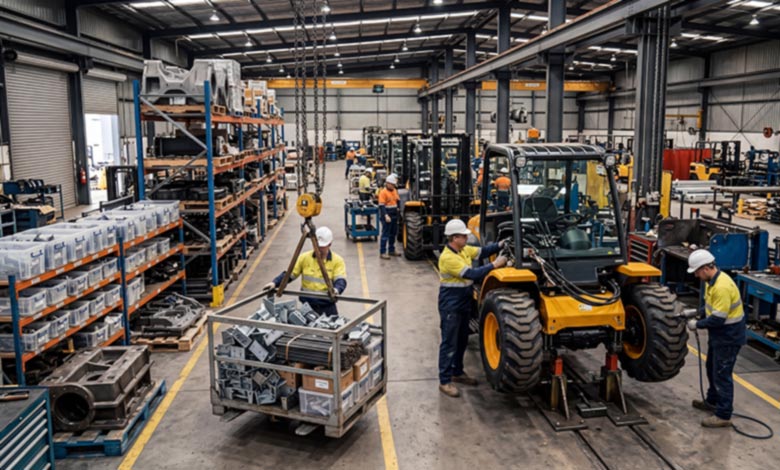
Why Production Time Is Only Part of the Story
In many projects we’ve been involved in, simply saying “20 days” or “30 days” is not accurate.
Because from order to arrival, the process usually includes:
- Production
- Booking vessel
- Ocean shipping
- Port arrival and clearance
Each step can affect the final delivery time.
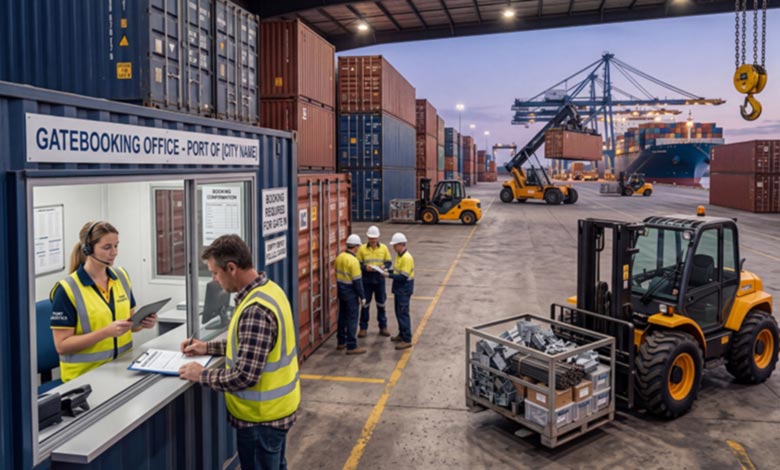
Step 1: Production (Usually 10–20 Days)
This is the most predictable part.
For standard configurations, production usually takes:
👉 around 10–20 days
Of course, it depends on:
- customization
- production schedule
- specific configurations
But overall, this part is relatively stable.
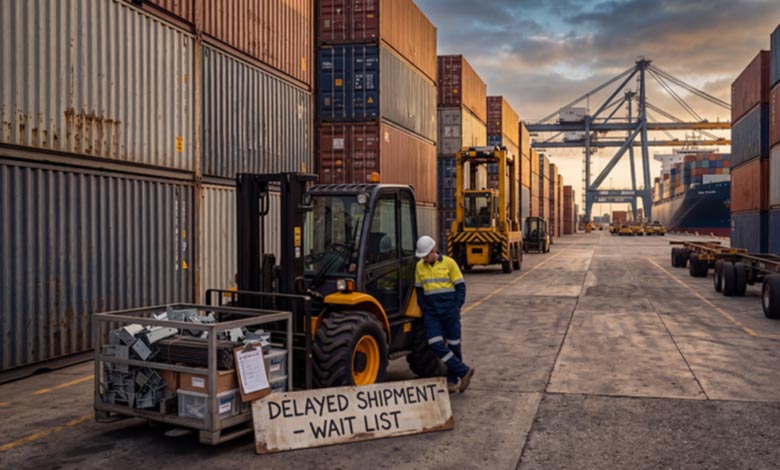
Step 2: Vessel Booking (Often Overlooked)
After production, the machine is not shipped immediately.
👉 It needs to wait for a vessel booking3.
Many first-time buyers don’t consider this.
But from our experience:
👉 this step can sometimes cause the biggest delay
Especially during:
- peak seasons
- limited shipping routes4
- vessel schedule changes
Waiting a few days — or even a week — is not uncommon.
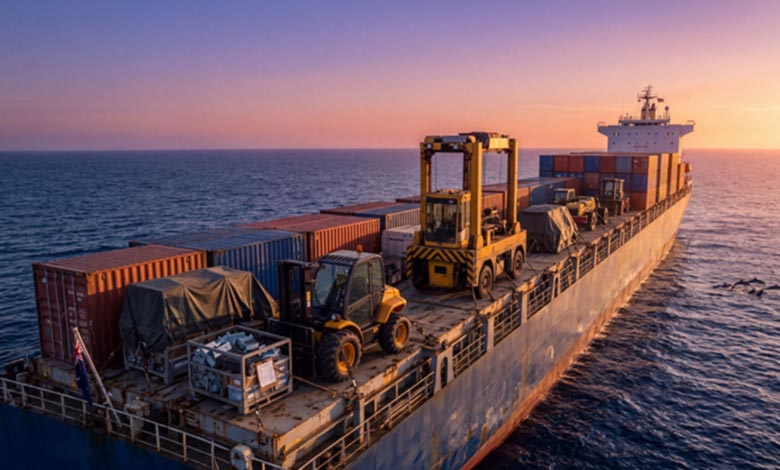
Step 3: Ocean Shipping (Varies by Region)
Shipping time depends heavily on destination.
Typical ranges:
- Southeast Asia: 7–15 days
- Middle East: 20–30 days
- Europe: 30–45 days
- South America: 40+ days
One important detail:
👉 transshipment5 (transfer at another port)
If involved:
👉 time becomes longer and less predictable.
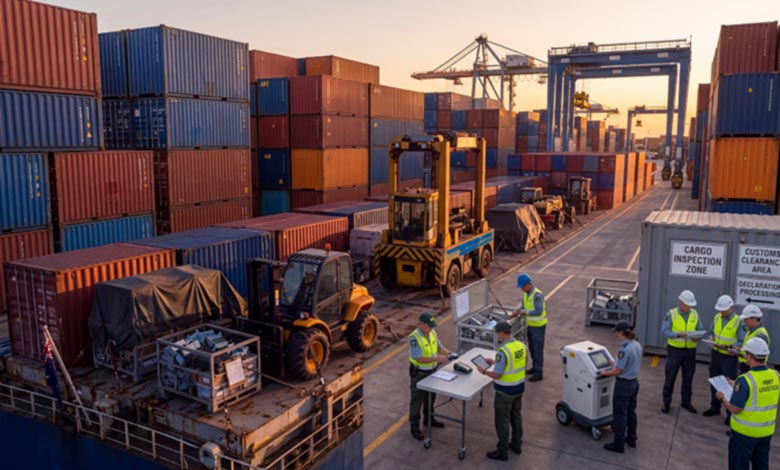
Step 4: Arrival and Clearance (Often Ignored)
This is something many buyers don’t think about early on.
But in real projects:
👉 it still affects the final delivery timeline6
For example:
- customs clearance7
- documentation readiness
- local port efficiency8
Sometimes:
👉 the machine arrives, but cannot be picked up immediately.
Real Situations We’ve Seen
Case 1: Underestimated Timeline
One customer needed the machine for a sales season.
He asked:
👉 “Can it be shipped within 20 days?”
From a production perspective, yes.
But we explained:
👉 production is only part of the process.
Later, the delay came from:
👉 vessel schedule + transshipment5
Final result:
👉 about 20 days later than expected
👉 missed the sales window
Case 2: Production Was Fast, Shipping Was Not
Another project went smoothly during production — even ahead of schedule.
But:
👉 no available vessel at that moment
The machine stayed at the port:
👉 nearly one week waiting
This situation is actually quite common during busy seasons.
Case 3: A Well-Planned Project (Positive Example)
We also had a customer who asked very detailed questions at the beginning:
👉 “How long does each step take?”
We explained the full process clearly.
He prepared:
- customs clearance7
- receiving schedule
- timeline buffer
The result:
👉 everything went smoothly, no delays.
Why Lead Time Is Not Always Fixed
This is something I often explain to customers.
From experience, several factors can affect timing:
- vessel schedules
- port congestion9
- weather
- transshipment5
So I usually say this:
👉 Lead time can be estimated — but rarely guaranteed exactly.
How I Usually Discuss Lead Time with Customers
Instead of giving a single number, I usually ask:
👉 “Is this urgent, or part of a normal purchasing plan?”
If it’s urgent:
👉 we try to shorten every step as much as possible
If it’s not:
👉 I suggest allowing some buffer time
In most cases, that leads to a much smoother project.
Final Thoughts
After working on many projects, one thing feels very clear:
👉 Most delivery issues are not about the machine —
👉 they come from misaligned expectations.
If the full process is explained clearly at the beginning:
👉 most problems can actually be avoided.
A Note from BLANC-ELE
At BLANC-ELE, we don’t just give a single “lead time1 number.”
We break it down clearly:
- production
- vessel booking3
- shipping
- arrival process
So customers understand the full picture.
Because in real projects:
👉 clarity matters more than “fast promises.”
Understanding lead time is crucial for managing expectations in shipping and delivery. ↩
Explore how production time impacts overall delivery schedules and efficiency. ↩
Learn about the vessel booking process to avoid delays in your shipping timeline. ↩
Understanding shipping routes can help in planning and avoiding delays. ↩
Learn how transshipment can complicate delivery timelines and planning. ↩
Creating an accurate delivery timeline is essential for effective project management. ↩
Understanding customs clearance can help prevent unexpected delays upon arrival. ↩
Learn how local port efficiency can impact your overall shipping experience. ↩
Explore the effects of port congestion on shipping schedules and delivery. ↩