
Are Rough Terrain Forklifts the Same as Telehandlers? Differences and the 3 Main Forklift Types
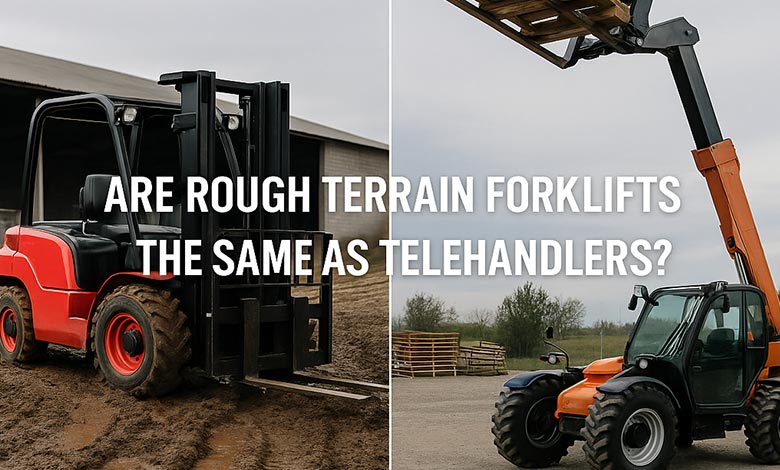
The answer is no. A rough terrain forklift is closer to a traditional forklift, built with 4WD systems, high ground clearance, and off-road tires…
Slipping on Rainy Job Sites? See How 4WD Rough Terrain Forklifts Solve It
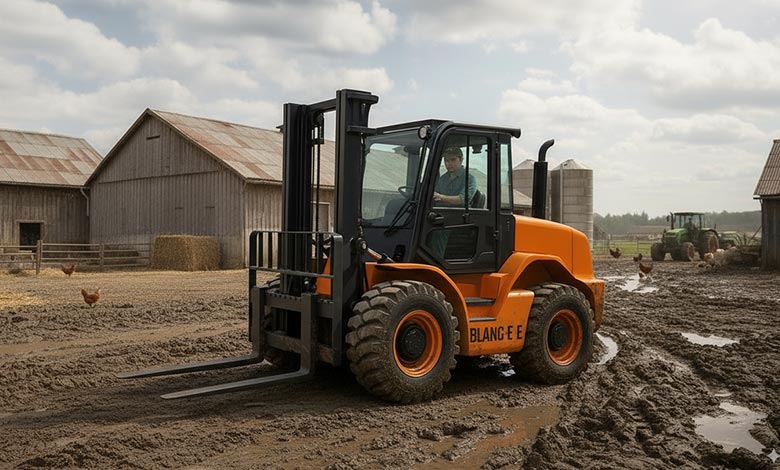
Most forklifts are front- or rear-wheel drive, lacking traction on slippery ground. 4WD rough terrain forklifts distribute power to all wheels…
Slipping on Rainy Job Sites? How 4WD Forklifts Solve It
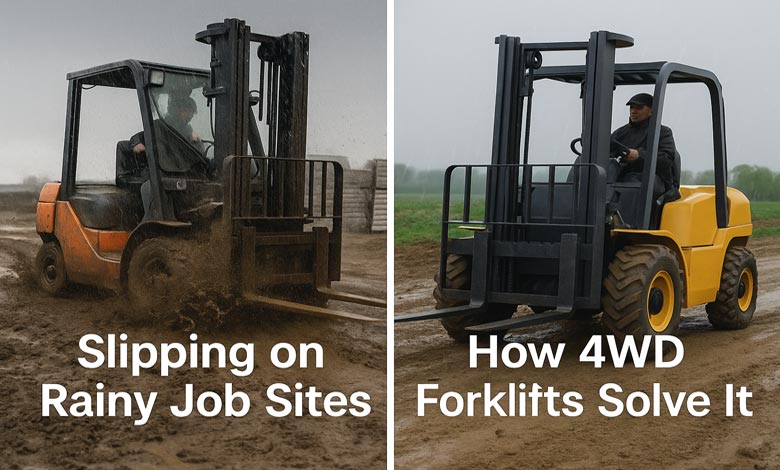
Rainy, slippery job sites often cause standard forklift […]
How Dangerous Are Standard Forklifts on Slopes?
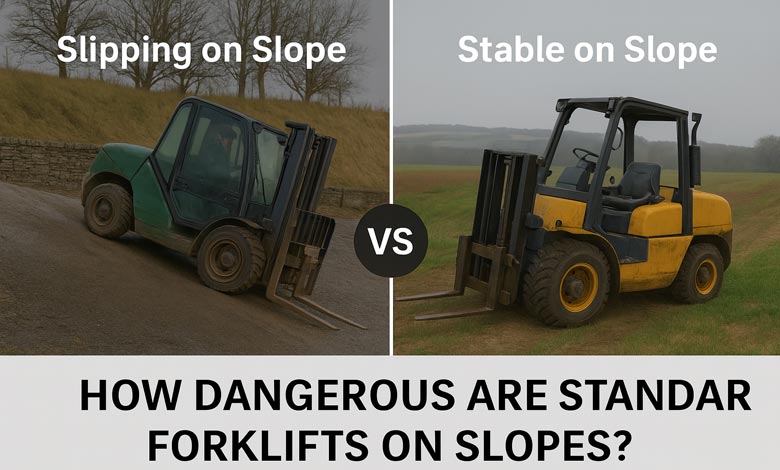
Standard forklifts, with high centers of gravity, limited traction, and 2WD designs, are prone to sliding or tipping on slopes…
Why Standard Forklifts Get Stuck in Mud?
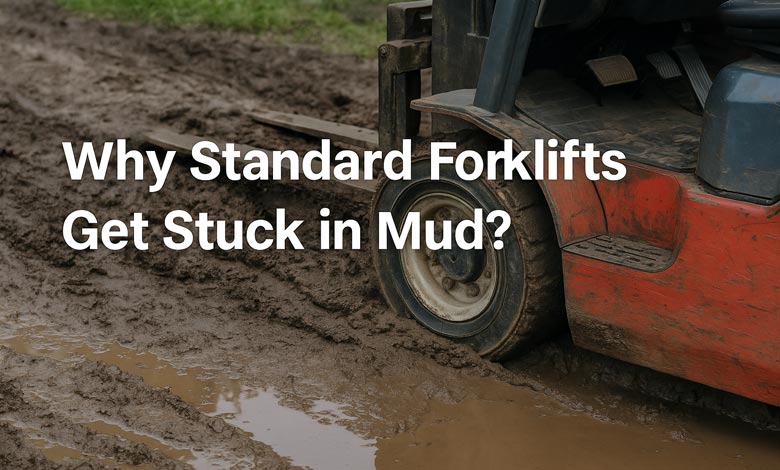
Standard forklifts with low ground clearance, weak 2WD traction, and smooth tires easily get stuck in muddy conditions…
Why Do Standard Forklifts Get Stuck in Mud? Rough Terrain Forklifts Have the Answer
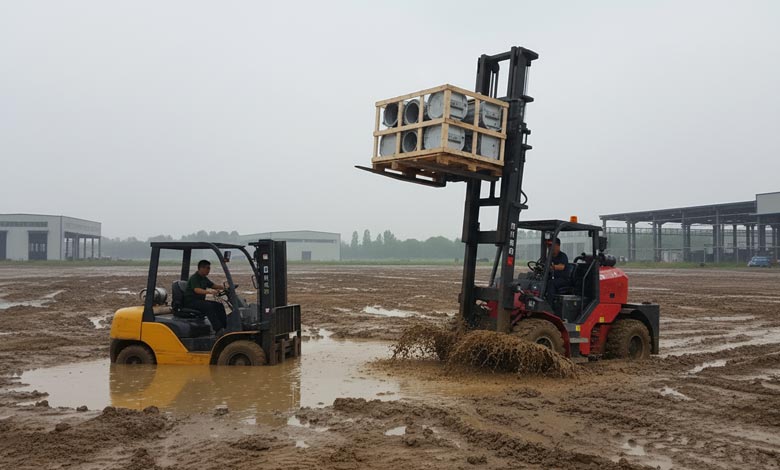
Standard forklifts with low ground clearance and smooth tires easily sink into mud. The solution is rough terrain forklifts…
How Do Rough Terrain Forklifts Improve Efficiency on Construction Sites?
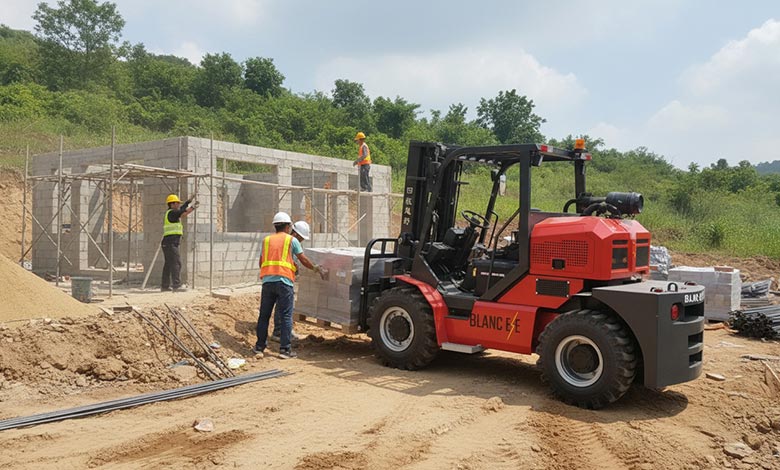
Rough Terrain Forklifts are built for mud, gravel, and slopes. With strong lifting capacity, large all-terrain tires, and durable design…
What Are the Benefits of Adjustable Forks with Side Shift on Rough Terrain Forklifts?
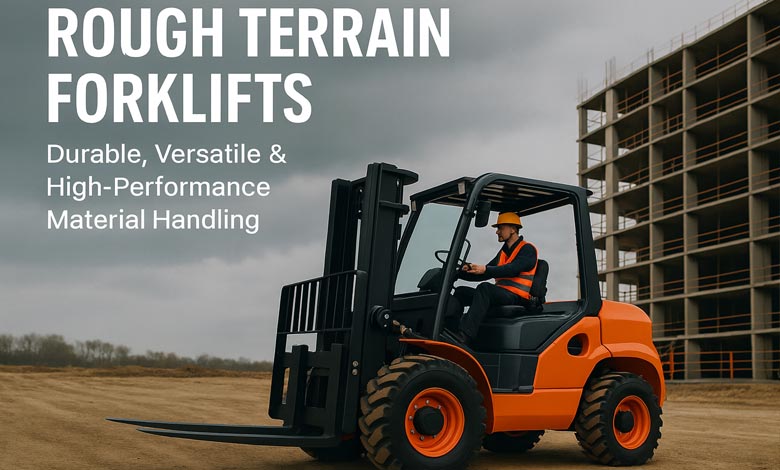
On rough terrain forklifts, adjustable forks quickly match pallet widths, while side shift fine‑tunes placement without repositioning the truck…
Forklift Drive Types Explained: FWD, RWD & 4WD
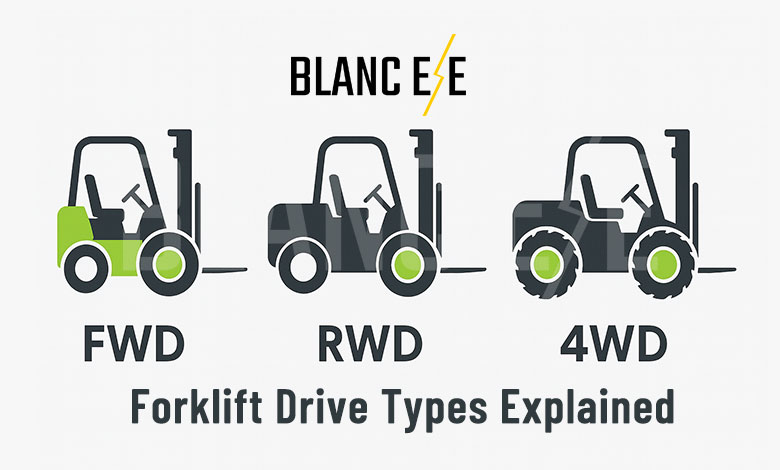
understanding whether you need FWD (Front-Wheel Drive), RWD (Rear-Wheel Drive), or 4WD (Four-Wheel Drive) can make all the difference. This guide will break down the pros and cons of each drive type…
Rough Terrain Forklift Attachments & Configurations – Complete Buyer’s Guide
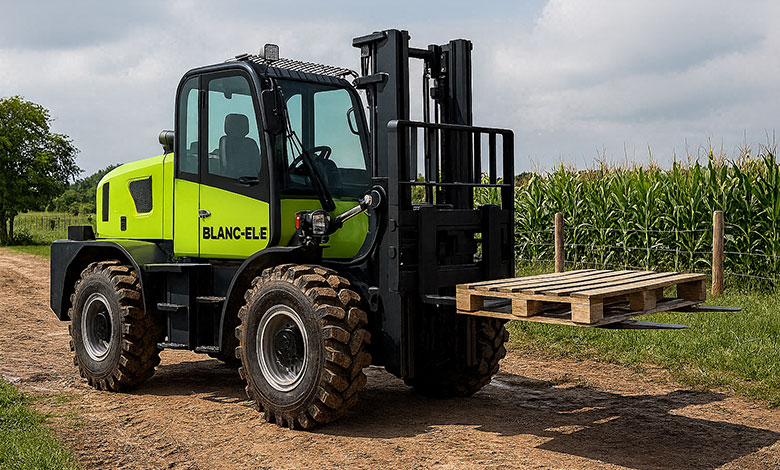
Choosing the right attachments and configurations for your rough terrain forklift can dramatically improve productivity…